
To help prevent and earlier detect gynae cancers we fund research in four key areas: uncovering the causes of gynae cancers, predicting a person’s risk of developing them, identifying how people can reduce their risk, and improving their detection and diagnosis.
Eve Fellowships:

Womb cancer detection
Dr Kelechi Njoku, from the University of Manchester, is our first Eve fellow. He is developing a simpler and kinder test for detecting womb cancer.
Early detection of ovarian cancer
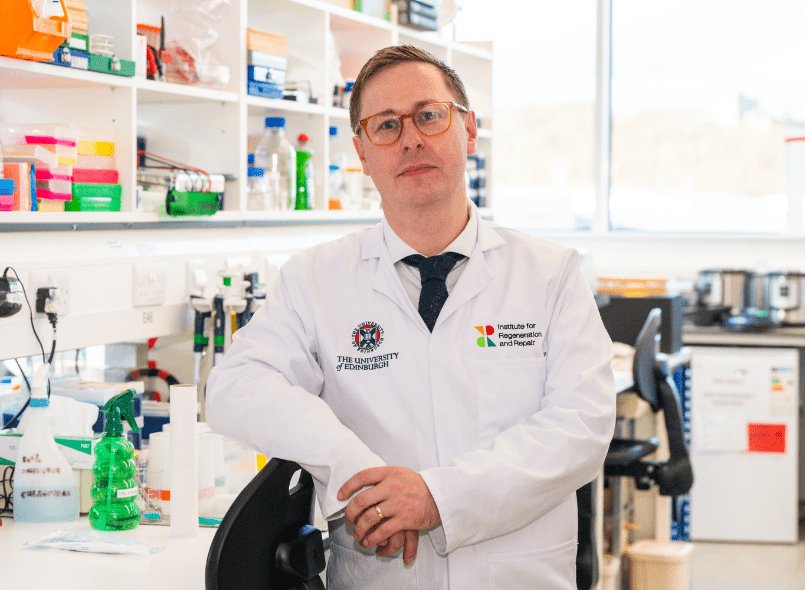
Dr Neil Ryan, from the University of Edinburgh, is our second fellow. This fellowship aims to create a new blood test to detect ovarian cancer at its earliest stages when it is most treatable.
Understanding the most aggressive womb cancer
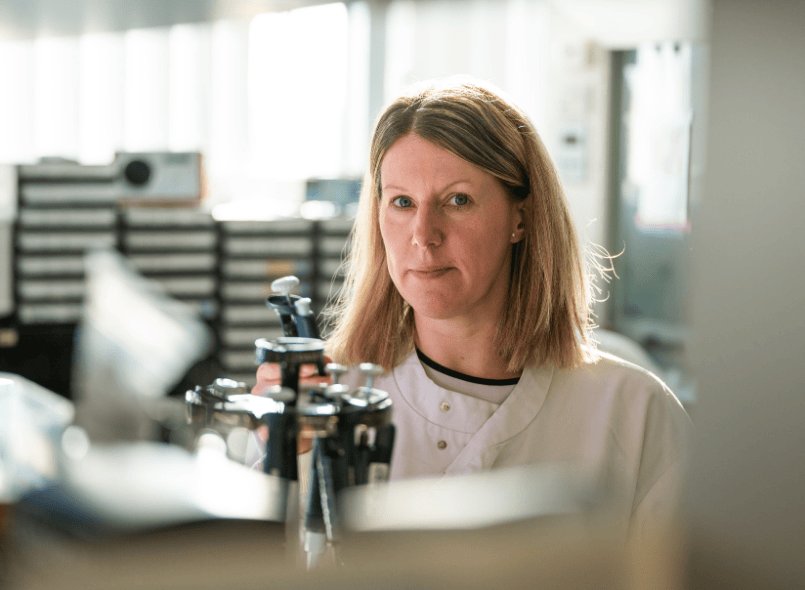
Dr Sarah Kitson, at the University of Manchester is our third fellow. This fellowship aims to try understand how the most aggressive type of womb cancer (p53 abnormal) develops.
Current projects:
Early detection tool for epithelial ovarian cancer
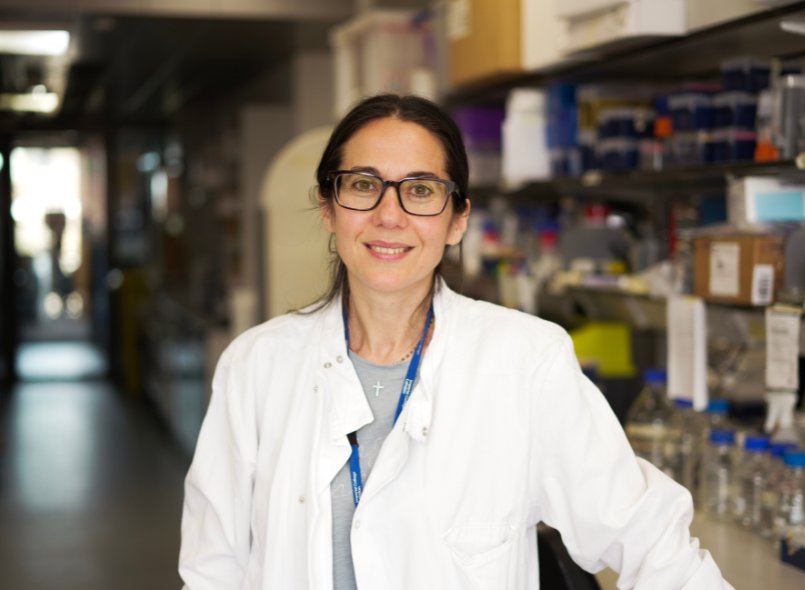
Professor Christina Fotopoulou and her team are creating a new way to detect ovarian cancer in the early stages using a swab test.

Improving cervical screening for trans and non-binary people
Dr Alison May Berner and her colleagues at Queen Mary University of London are looking to see whether a new type of cervical screening test may work better and be more comfortable for trans and non-binary people.

Identifying who is at most risk of cervical cancer
Dr Sofia Vidali and her colleagues hope to develop a test to help work out which women and people with a cervix with CIN are at risk of going on to develop cervical cancer and need treatment.
Early detection of ovarian cancer in vaginal fluid
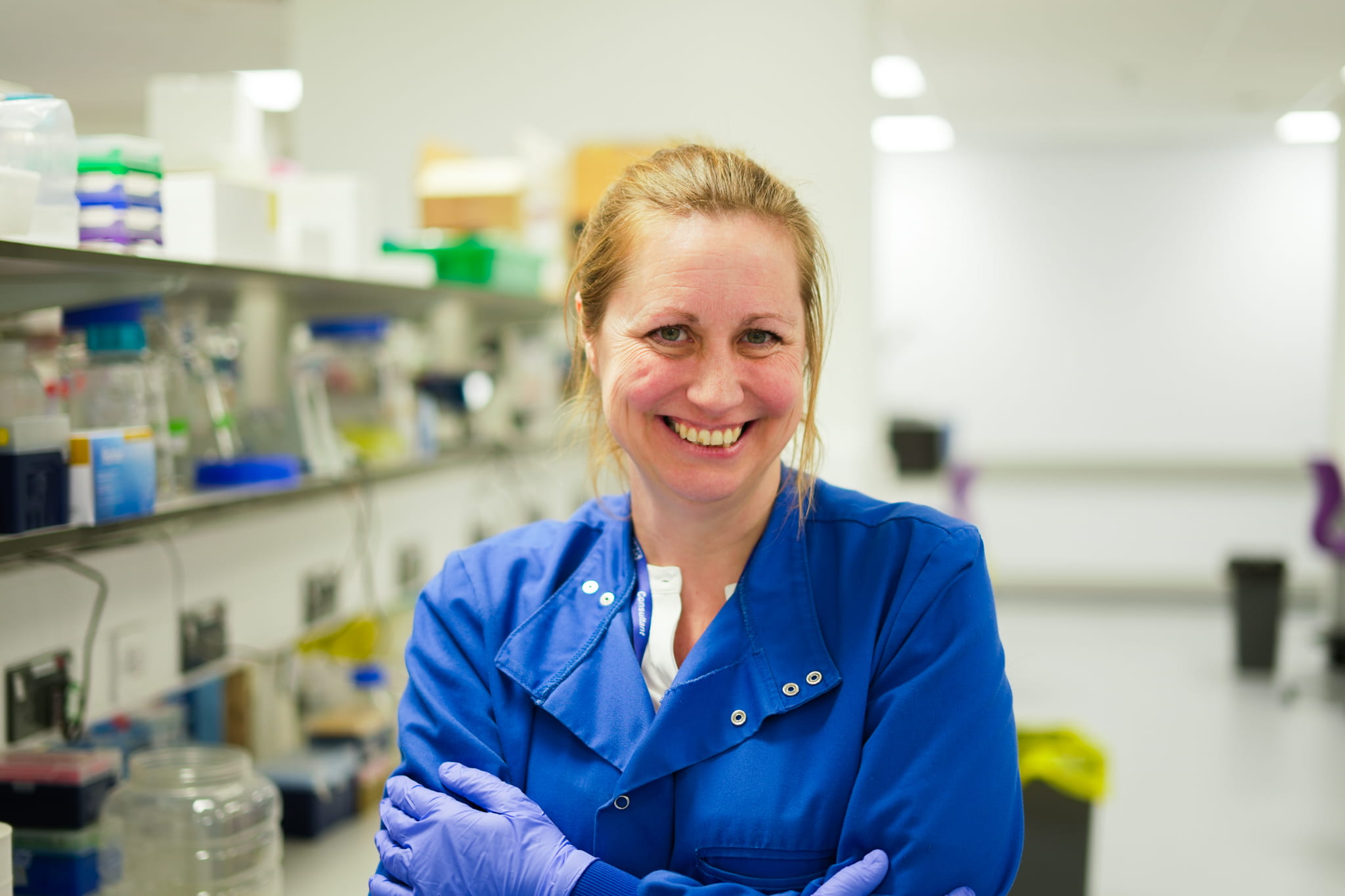
Dr Jemma Longley and her team at the University of Southampton are testing whether early signs of ovarian cancer can be picked up in vaginal fluid, as part of the VIOLET study.

Genetic patterns in ovarian cancer development
Mr Hasan Mirza’s study aims to find genetic patterns in pre-cancerous changes that could help identify which changes are most likely to develop into a common form of ovarian cancer.

Predicting surgical menopausal symptoms
Dr Zachary Nash aims to predict who will experience persistent menopausal symptoms despite HRT, after having surgery (removing fallopian tubes and ovaries) to reduce the risk of ovarian cancer in those at a higher risk from having a BRCA gene alteration.

Personalised BRCA decision tool
Dr Dan Reisel and his team at the EGA Institute for Women’s Health at University College London (UCL) are developing a digital tool to help people with a BRCA gene alteration, that increases their risk of certain cancers, understand their options and make informed decisions about their health.
Diagnosing uterine sarcoma
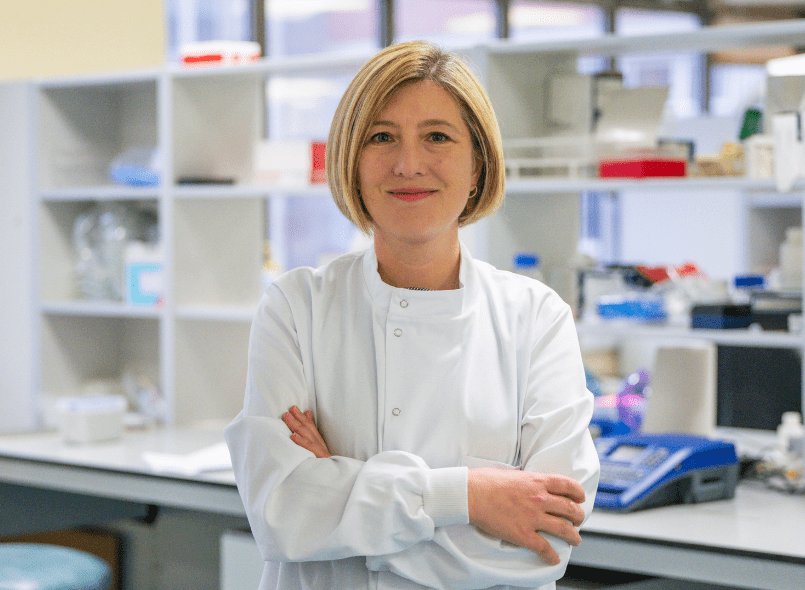
Dr Esther Moss and her team at the University of Leicester are developing a blood test to diagnose uterine sarcoma, a rare form of womb cancer that is difficult to diagnose.

Vulval cancer risk
Dr Rachel Pounds and her team want to identify which early genetic alterations (sometimes called mutations) associated with lichen sclerosus may lead to the development of vulval cancer.

Predicting womb cancer in lynch syndrome
Prof Adam Rosenthal and his team at UCL are working on a way to predict the onset of womb cancer in women with lynch syndrome.

Biomarkers for mucinous ovarian cancer
Professor Sudha Sundar from the University of Birmingham and her research group are looking for biomarkers that could help detect mucinous ovarian cancer.

Faster diagnosis of vulval cancer
Professor Maria Kyrgiou and her team at Imperial are using new laser technology for an immediate and kinder way to diagnose vulval cancer.

Small cell ovarian cancer
Dr Will Foulkes and his team at McGill University are creating a patient registry and international consortium of experts for this rare form of cancer to help promote worldwide research efforts.

Finding biomarkers for vulval cancer
Dr Jackie McDermott is looking at gene expression to find ways of picking up early vulval cancers, or vulval precancer.

Womb cancer surveillance
Professor Martin Widschwendter and his team are planning a large UK-wide clinical trial to improve womb cancer surveillance for women with lynch syndrome.
Past projects:
Screening four cancers (FORECEE)
FORECEE (4C) was launched in 2015, a four-year European-wide programme to develop a screening test that aims to prevent four cancers- breast, womb, ovarian and cervical.
PROTECTOR
Prevention research for those with an increased risk of developing ovarian cancer. Prof Ranjit Manchanda and his team are using a new two-step approach to preventative surgery for those at a high risk of ovarian cancer.
Computational Biology
Risk detection using biological pathways. This type of research can help us understand how our DNA and the things that alter our DNA relate to cancer development.
Genetic cancer prediction through population screening (GCaPPS)
The Journal of the National Cancer Institute publishes two research papers funded by The Eve Appeal into screening for the BRCA gene alteration which could have an impact on how genetic testing in healthcare is delivered in the future.
Vaginal microbiome as a risk indicator for ovarian cancer
Professor Martin Widschwendter’s team as part of the FORECEE project, found that changes in the number of ‘good’ bacteria can be used to build a clearer picture of a woman’s risk of developing ovarian cancer.
BRCA PROTECT research clinic
BRCA PROTECT research clinic was launched in 2015 with the aim to improve risk prediction and the prevention of developing ovarian and breast cancer for those living with a genetic alteration.
BRCA UNITE
The team behind the BRCA PROTECT Research Clinic based at University College London (UCL): clinicians, research nurses, scientists and ‘BRCA Champions’ looked at the processes that may increase or alter the risk of developing cancer in women with a BRCA alteration (sometimes called mutation).
Cost-effectiveness of population testing in the general population
Dr Ranjit Manchanda shares his vision for future research into the cost-effectiveness of population-based testing for ovarian cancer.
PROMISE
PROMISE stands for Predicting Risk of Ovarian Malignancies, Improved Screening and Early detection. This seven-year international research project, which finished in 2019, aimed to halve deaths from ovarian cancer in the UK and beyond.
Screening high-risk women may reduce risk of advanced ovarian cancer (UKFOCSS)
The results of the UK Familial Ovarian Cancer Screening Study (UK FOCSS) found that screening women at a high risk of ovarian cancer every four months may reduce the likelihood of being diagnosed with advanced stage ovarian cancer.
Increasing awareness of gynaecological cancer
Increasing awareness of gynaecological cancer and early detection in young women.
UKCTOCS
UK Collaborative Trial of Ovarian Cancer Screening: The world’s biggest ovarian cancer screening trial.
Research news
Read about some of our recent research announcements.
Predicting the risk of vulval cancer in women with lichen sclerosus
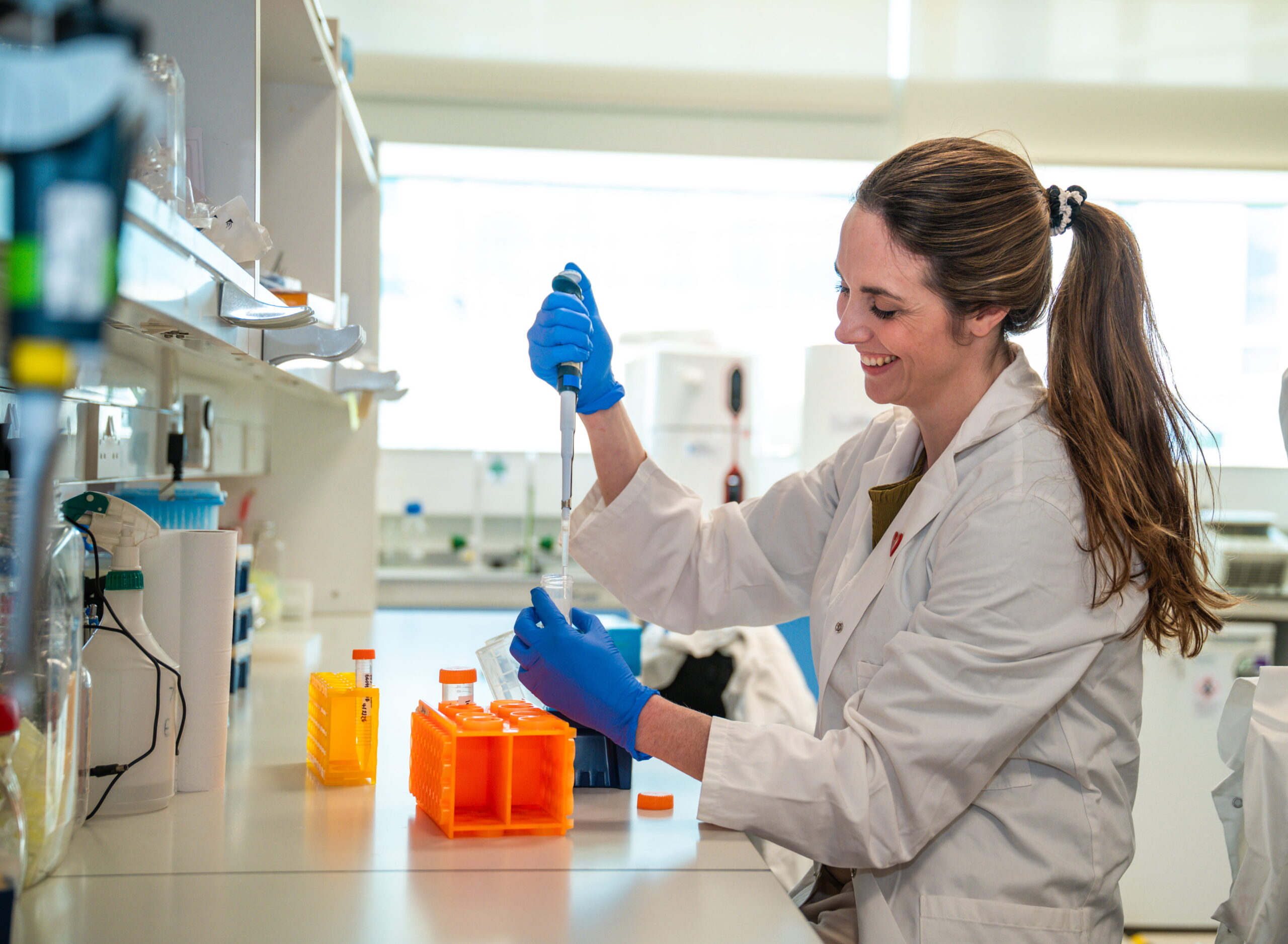
We have awarded Dr Rachel Pounds from the University of Birmingham a grant to run a project to try and predict the risk of developing vulval cancer in women with lichen sclerosus.
Three new gynaecological cancer experts join Eve’s Research Advisory Committee
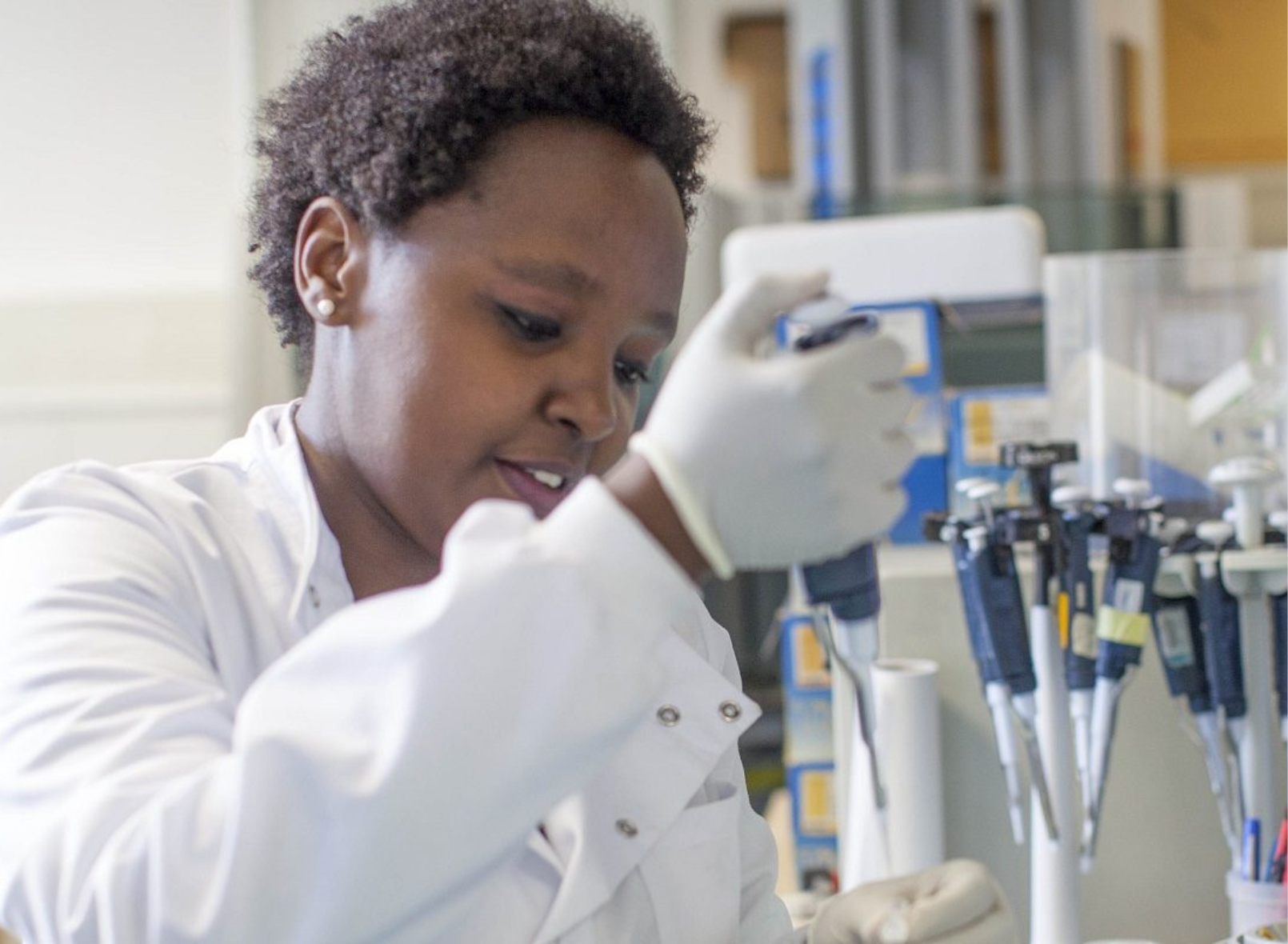
We are delighted to announce that The Eve Appeal has recruited three new research stars to its Research Advisory Committee- Dr Garth Funston, Professor Raji Ganesan and Professor Anne Lanceley.
New ‘DNA methylation’ test picks up more cervical cell changes
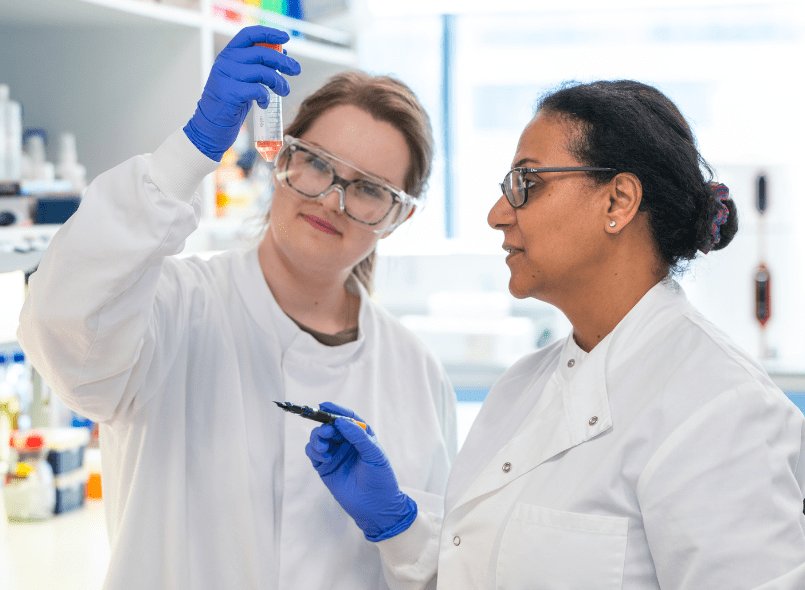
Positive results of the first large-scale clinical trial with the WID-qCIN test have been published in Nature Medicine.
Vaping shown to cause similar DNA changes to smoking
New research was published which points towards vapes causing similar changes to cheek cells as smoking.
New test could prevent thousands of invasive procedures
The team working on the new womb cancer test at the Institute for Women’s Health, UCL, blog about their new results.
Developing a kinder way to diagnose and treat vulval cancer
A team from Imperial College London are looking into a more accurate and kinder way to diagnose and treat vulval cancer.
Biomarkers in mucinous ovarian cancer
We are delighted to announce our first Rare Gynae Cancer Fund project, in mucinous ovarian cancer.