
So far, thanks to your support, we have funded a grand total of 42 projects, to a sum of over £10M. They have already helped improve patient outcomes, changed clinical management, policies and guidelines.
The research you’ve funded has brought together a community of researchers across the globe all with the same goal- to prevent or detect at the earliest stage possible the five gynae cancers.
This community has coordinated research, and shared data and knowledge.
We’ve worked with women and people with experience of gynae cancers to make sure the research we fund works on the problems important to them.
Our researchers have helped to expand our understanding of gynaecological cancer, and we have supported the careers of many leaders in the field.
By supporting The Eve Appeal, you can play a vital role in driving forward research into gynae cancers.
Discover more
Take a look at some of the research projects you’re helping to fund.
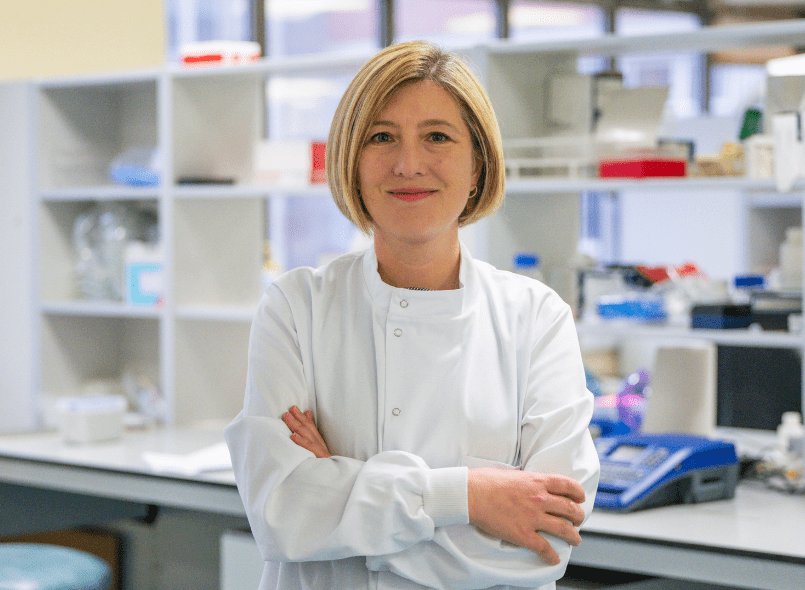
Diagnosing uterine sarcoma
Dr Esther Moss and her team are aiming to develop a blood test which can distinguish between fibroids and uterine sarcomas.
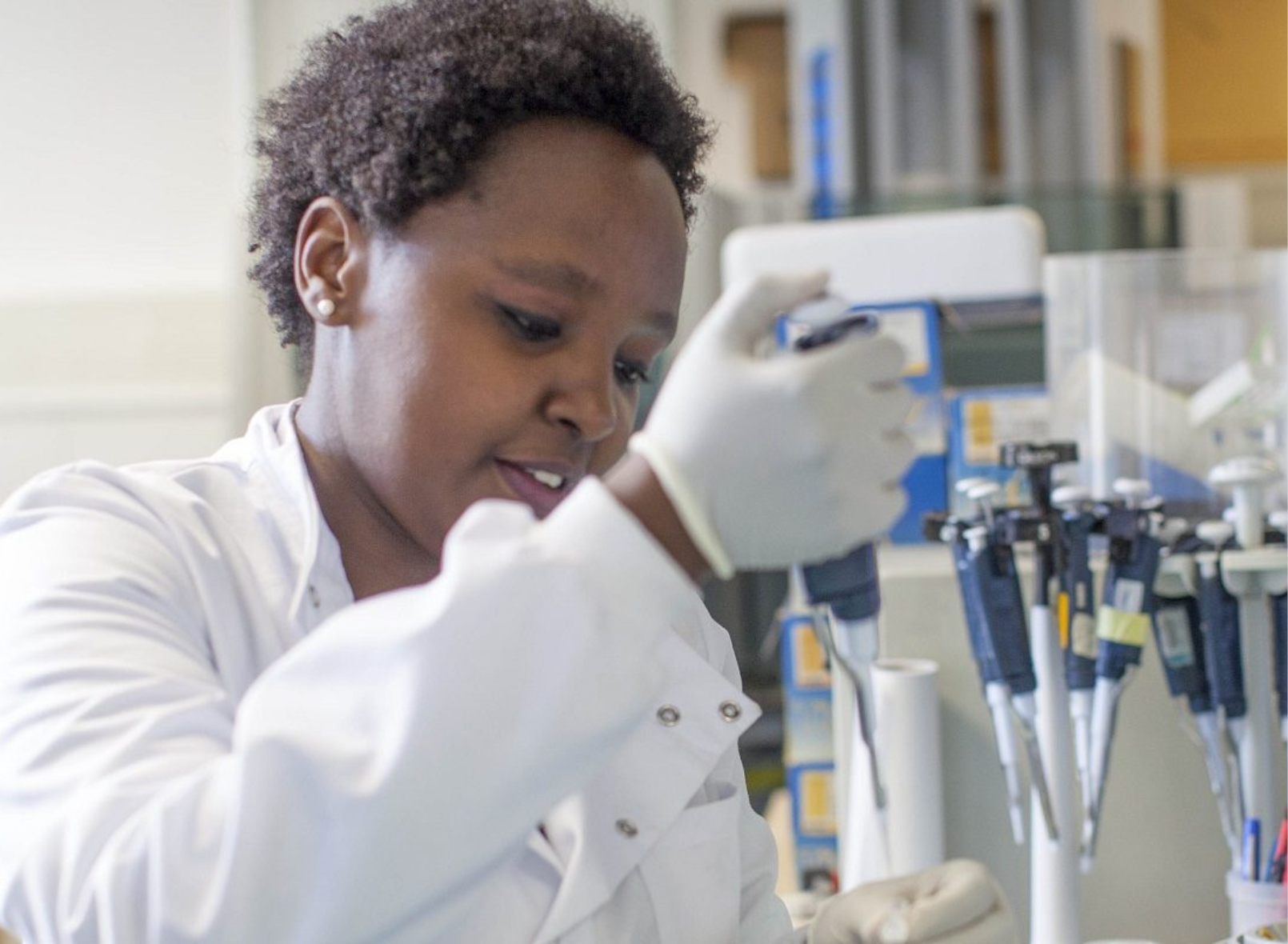
Womb cancer detection
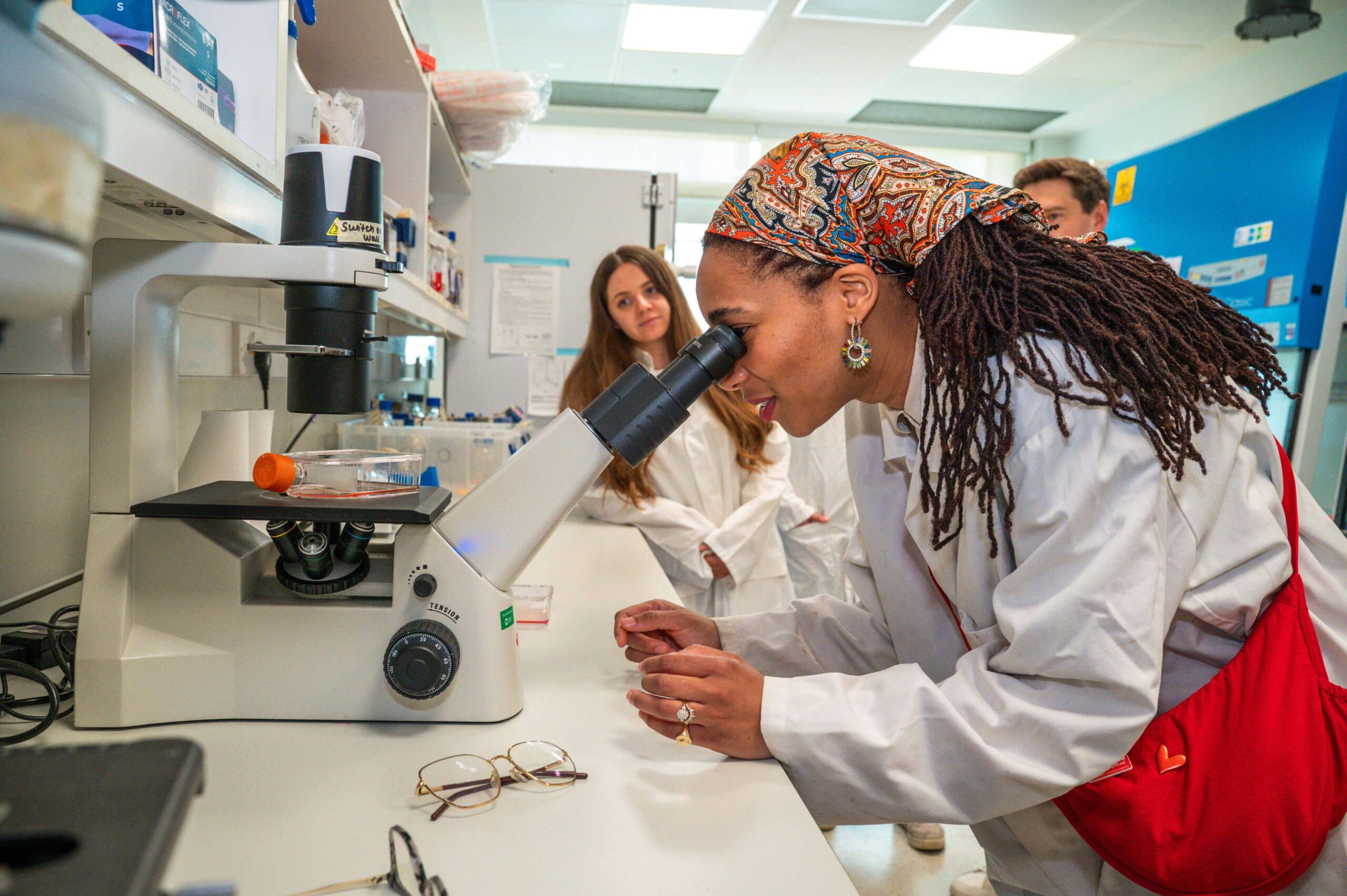
In partnership with North West Cancer Research, we awarded a three-year Fellowship to Dr Kelechi Njoku, from the University of Manchester, to develop a simpler and kinder test for detecting womb cancer.
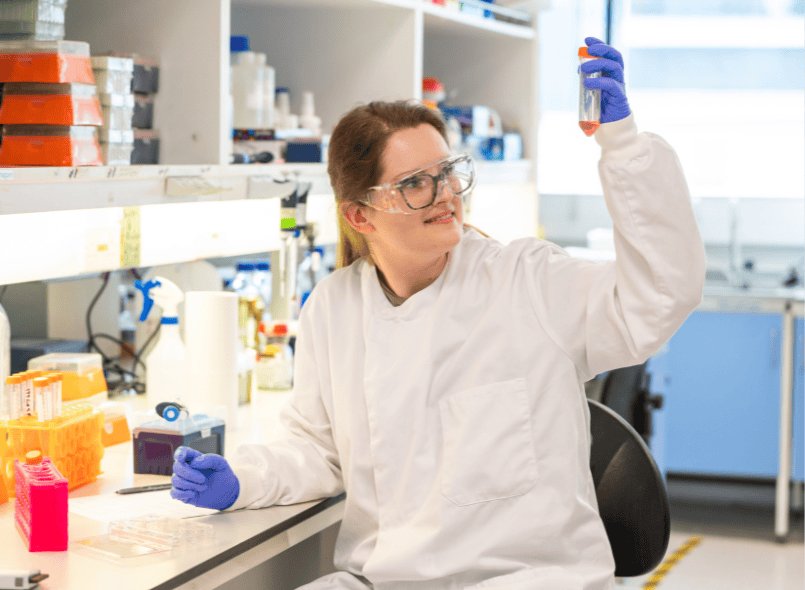
Vulval cancer risk
Dr Rachel Pounds and her team want to identify which early genetic alterations (sometimes called mutations) associated with lichen sclerosus may lead to the development of vulval cancer.
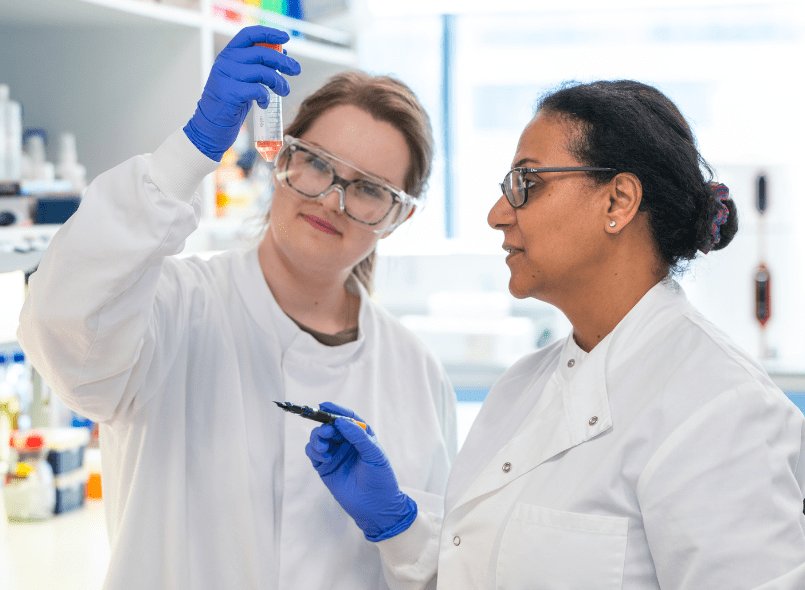
Predicting womb cancer in lynch syndrome
Prof Adam Rosenthal and his team at UCL are working on a way to predict the onset of womb cancer in women with lynch syndrome.
Biomarkers for mucinous ovarian cancer
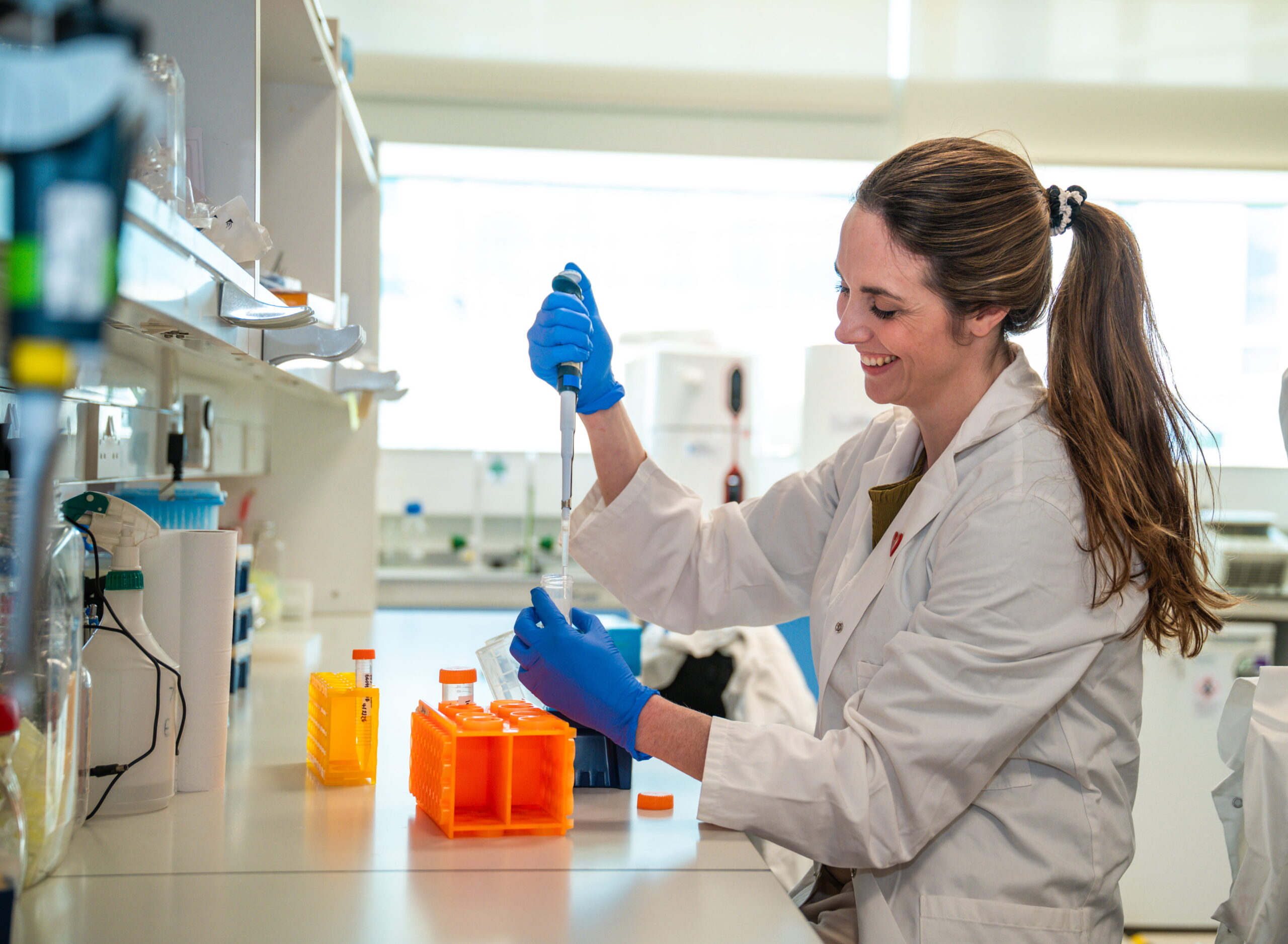
Professor Sudha Sundar from the University of Birmingham and her research group are looking for biomarkers that could help detect mucinous ovarian cancer.
Faster diagnosis of vulval cancer
Professor Maria Kyrgiou and her team at Imperial are using new laser technology for an immediate and kinder way to diagnose vulval cancer