
We all get pain from time to time but some types of unexplained pain can be a symptom of a gynaecological cancer. It’s more likely to be something less serious than cancer, but it’s important to get checked as picking up any gynaecological cancers early can help offer more treatment options and gives the best possible chance of successful treatment.
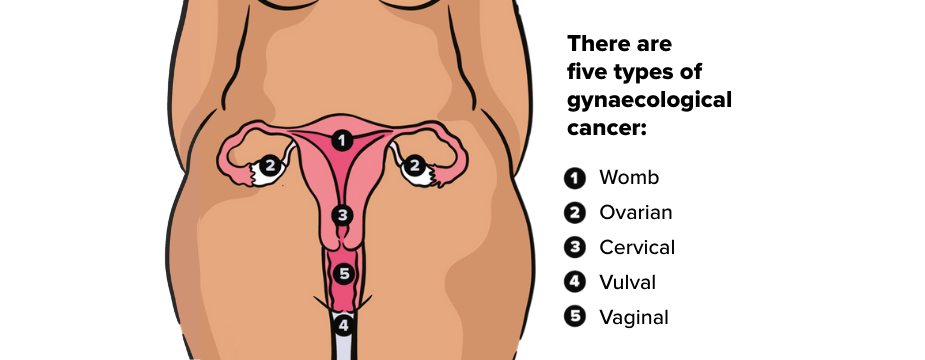
There are five gynaecological cancers, and each of them can have some pain-related symptoms. The best way to get to know what is normal for you, is to start by understanding your anatomy and how your body works.
Pain is not considered normal and needs to get checked by a doctor when it is so bad it affects your daily life and stops you doing normal activities, if the pain is new and unusual for you, if it severe, or isn’t helped by medication.
If you have been having unexplained pain for three weeks or more it’s important to go and get checked by a doctor.
The types of pain that can be a symptom of a gynaecological cancer are:
- Abdominal or pelvic pain
- Lower back pain
- Periods that are more painful than is normal for you
- Pain during sex
- Vulval or vaginal pain or discomfort.
If your pain is accompanied by other symptoms like abnormal bleeding, changes to your discharge or persistent bloating, then go to your GP to get checked. If you have a sudden, severe pain in your pelvis, your pain goes to the tip of your shoulder, you feel faint, dizzy, sick or you’re vomiting, you have a temperature or unexplained bleeding, you should go to your nearest A&E.
Tracking your symptoms
We know that it can sometimes be difficult to get your pain taken seriously and to get the tests and investigations you need. When speaking to a doctor about your pain, they will want to get a picture of your symptoms, and they will try pick up on any patterns.
Keeping a pain diary can help you and your doctor understand more about your pain, spot any patterns and decide what tests you might need. It will help find out what is causing your pain and the best way to manage it.
Download our pain diary template
Please download our template for a pain diary, keep it up to date and take it with you when you go to speak to your doctor about your symptoms.
Information to include in your pain diary
The doctor may ask you to rate your pain out of 10, with zero being no pain and 10 being the worst pain you can imagine.
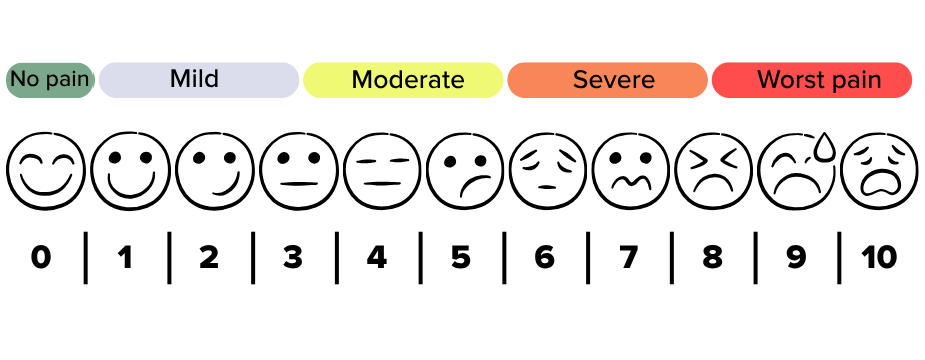
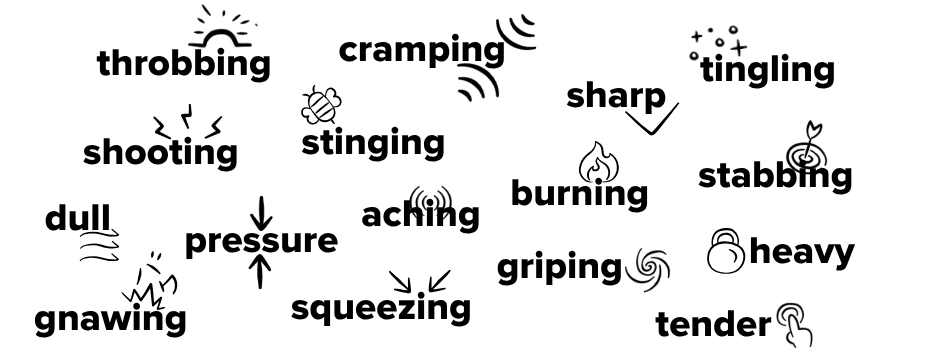
Words that can help you describe your pain:
Things to track in the pain diary:
- What time did the pain happen?
- What were you doing when the pain started?
- How would you rate the pain out of 0 to 10, with zero 0 no pain and 10 being the worst pain you can imagine.
- Where did you feel the pain?
- What did the pain feel like?
- How long did the pain last?
- Anything that made the pain worse
- Anything that made the pain better
- Did your pain spread to other areas?
- Did you have any other symptoms with the pain?
- How did the pain affect your daily activities?
More information
We have lots more information on about looking after your gynae health and the five gynae cancers. You can also speak to our Ask Eve nurses for free and confidential information and support.