
The team behind the BRCA PROTECT Research Clinic based at UCL: clinicians, research nurses, scientists and ‘BRCA Champions’ looked at the processes that may increase or alter the risk of developing cancer in women with a BRCA alteration (or mutation).
BRCA Unite’s team wanted to understand the conditions (molecular events) that lead to the development of breast and ovarian cancers. The aim of the research was to effectively predict and ultimately prevent the occurrence of these cancers
The previous main treatment option involved women undergoing risk-reducing surgery:
- preventative or ‘prophylactic’ mastectomy (removal of both breasts)
- preventative or ‘prophylactic’ salpingo-oopherectomy (removal of both ovaries and fallopian tubes).
BRCA Unite aimed to develop new preventative measures to help women of all ages at a higher risk of these cancers to reduce their risk of developing cancer, without the need for surgery. Alongside a more holistic approach to their health and a range of options that they can consider.
We hope that together we will be able to change the future landscape for those with the BRCA alterations.
Our Volunteer Participants
We would like to thank our participant volunteers.
Participants were selected if they had previously been tested for the BRCA alteration and were either positive or negative for BRCA1 or BRCA2. We also offered genetic testing to those who did not know their status, they had the option to choose whether they would like to be told their genetic status during the consenting process.
Participant volunteers provided our researchers with daily bio-samples. These samples were used to analyse the immune system, hormonal changes and their gut microbiome. This gave a reflection of gut health and possible insight into cancer development.
All samples were analysed using cutting-edge technology and molecular techniques by renowned teams based at UCL, Royal Free and Imperial College London.
To find out more information about BRCA Unite please visit www.brcaunite.org or email brcaunite@ucl.ac.uk
Discover more
Take a look at some of our other research into BRCA gene alterations and preventing ovarian cancer in those at higher risk.
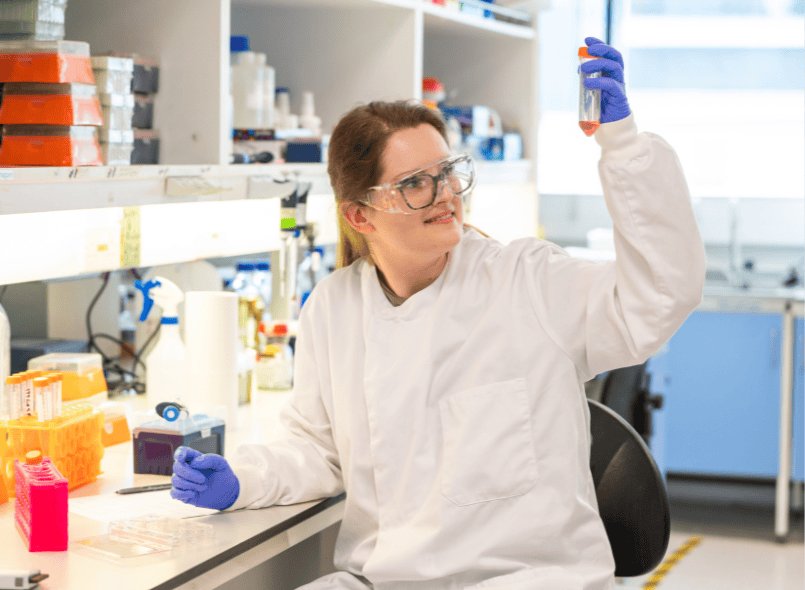
BRCA PROTECT research clinic
BRCA PROTECT research clinic was launched in 2015 with the aim to improve risk prediction and the prevention of developing ovarian and breast cancer for those living with a genetic alteration.
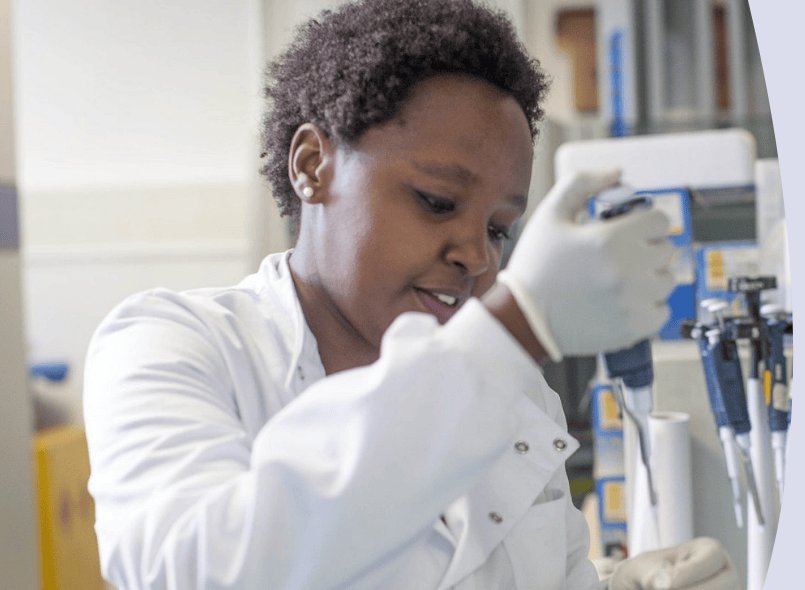
PROTECTOR
Prof Ranjit Manchanda and his team are using a new two-step approach to preventative surgery for those at a high risk of ovarian cancer.

Cost-effectiveness of population testing in the general population
Dr Ranjit Manchanda shares his vision for future research into the cost-effectiveness of population-based testing for ovarian cancer.