
Using new laser technology for an immediate and kinder diagnosis of
vulval cancer.
Professor Maria Kyrgiou and her team are researching a way to improve the diagnosis and treatment of vulval cancer. They will be using a new technology called Laser-assisted Rapid Evaporative Ionisation Mass Spectrometry (Laser-REIMS), to try and give an instant diagnosis and a kinder treatment option for vulval cancer.
Currently, to investigate whether any vulval symptoms are caused by cancer, biopsies are taken and looked at under a microscope, an often invasive and painful process. One of the main treatments for vulval cancer is surgery to remove the affected areas. Surgery for vulval cancer, or precancerous cells on the vulva, can cause considerable side effects- from pain, lymphoedema, loss of mobility and a big impact on someone’s sex life and relationships. And there is a high recurrence rate, with around 4 or 5 out of every 10 people with precancerous vulval legions getting a recurrence. One of the reasons behind this is it is difficult to see the difference between non-cancerous and cancerous tissue by eye with doing surgery.
The new laser-REIMS technology uses a surgical laser to heat the area, which creates a vapor that is analysed to see whether the area is cancer, precancer, or healthy tissue. This would allow doctors to give an immediate diagnosis in the clinic, reducing invasive tests and procedures, increasing surgery accuracy, and reduce the waiting anxiety for patients.
Researchers hope this would also allow doctors to confidently remove affected areas without unnecessary removal of extra skin, making the process of diagnosis and treatment for vulval cancer much smoother and kinder for women and reduce the impact this has on their lives.
Thank you to everyone who donated to The Eve Appeal’s Vulval Cancer Research Fund – your kind donations made this research possible.
Discover more
Take a look at some of our other research in vulval cancer.
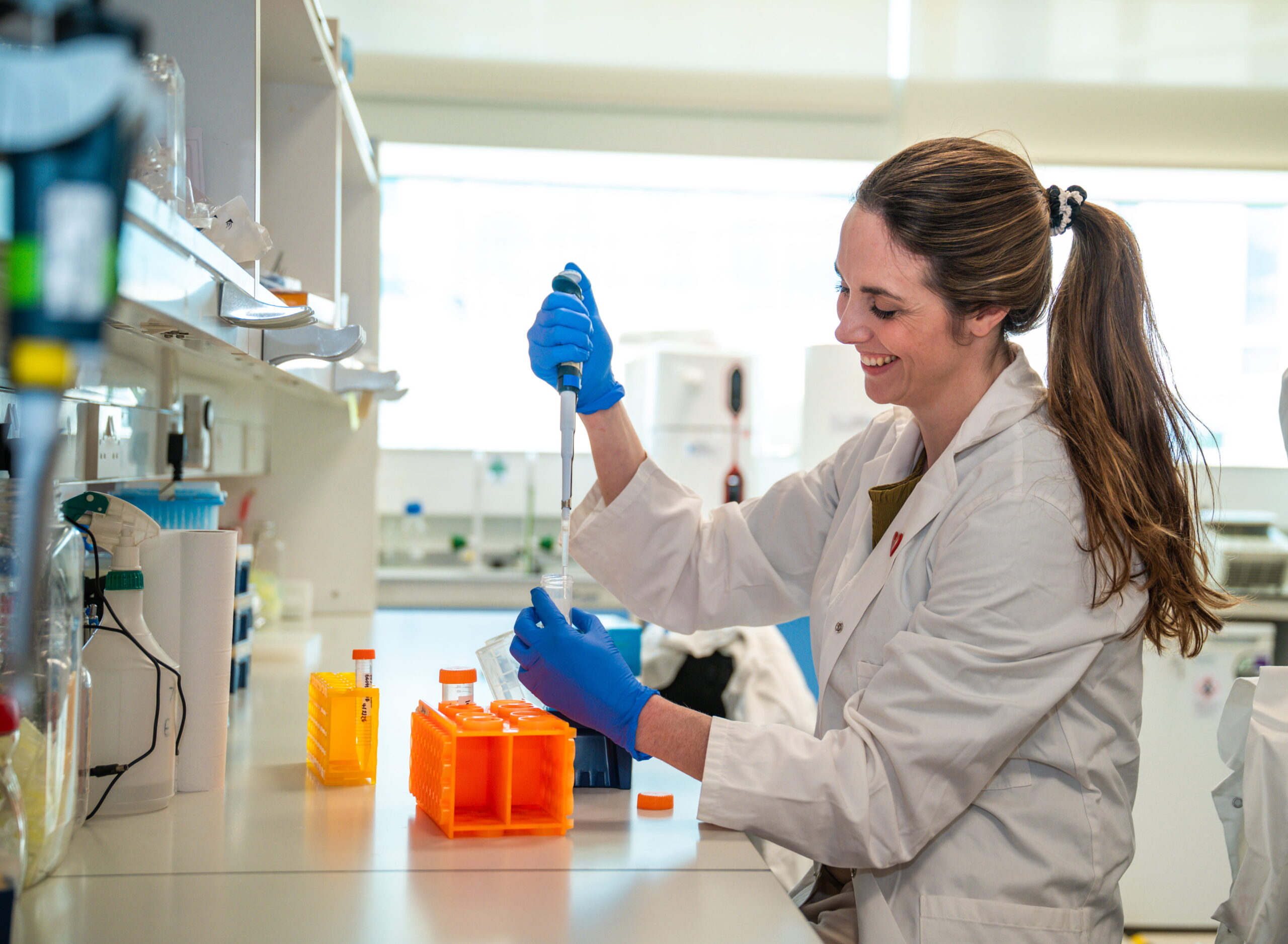
Vulval cancer risk prediction
Dr Rachel Pounds and her team want to identify which early genetic alterations (sometimes called mutations) associated with lichen sclerosus may lead to the development of vulval cancer.
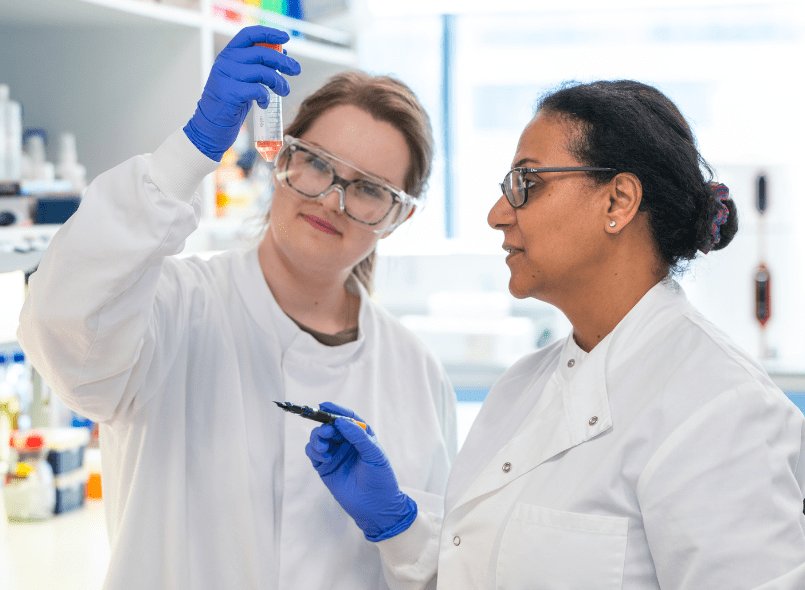
Finding biomarkers for vulval cancer
Dr Jackie McDermott and her team of researchers from Imperial College London are studying gene activity in samples of both HPV related and non-HPV related vulval cancer by using a new technology called spatial transcriptomics.