
There are several different forms of ovarian cancer. Epithelial cancers are the most common. Epithelial ovarian cancers start in the ‘epithelium’, which is the outer layer of the ovaries (the skin). Mucinous ovarian cancer is sub-type of epithelial ovarian cancer.
What is a mucinous cancer?
Mucinous cancer cells are mostly coated in mucous, a type of fluid.
There are three sub-types of mucinous ovarian cancer:
- Ovarian mucinous cystadenoma
- Ovarian borderline mucinous tumour
- Ovarian mucinous cystadenocarcinoma
Diagnosing mucinous ovarian cancer
Everyone being investigated for a potential ovarian cancer will have blood tests, scans and histology testing, after surgery. These test will determine which type of ovarian cancer it is.
Who does this type of cancer affect?
Mucinous ovarian cancer is most common in women who are 40-50 years of age, although it can happen to anyone with ovaries at any age.
What is the prognosis for mucinous ovarian cancers?
Nearly 8 in 10 mucinous cancers are found at an early stage. For these early-stage mucinous cancers, 9 out of 10 people survive for five years of more.
How is it treated?
The main treatment for mucinous cancer is surgery. This includes a hysterectomy (removing the womb and cervix), removal of both ovaries and fallopian tubes (bilateral salpingooophorectomy), with additional removal of the mucin producing appendix, possibly, some lymph nodes and the omentum (a fatty layer surrounding the abdominal organs). The exact surgery will be discussed with the oncology team, and a decision made based on the individual circumstances, such as possible fertility sparing options, other health conditions etc.
Chemotherapy may be considered but, generally, is not as effective in this type of cancer.
More information
We have lots more information on ovarian cancer. You can also contact our Ask Eve nurses for free to chat about any worries or questions.



Real Stories

Speaking up about pain and getting the right support
Daniella reflects on her mucinous ovarian cancer diagnosis and advocating to get her symptoms checked out.
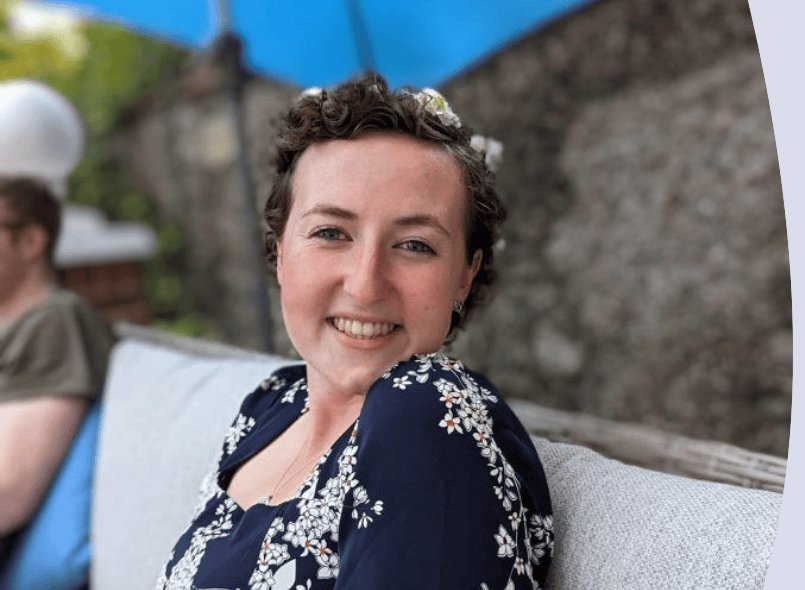
‘I thought that ovarian cancer only occurred in older women’
Jess shares her story of being diagnosed with a rare form of ovarian cancer

‘I always say, if it don’t feel right, get it checked out.’
Shalisha writes about her experience of ovarian cancer.

‘Grieving the loss of an ovary’
Izy shares her story of her diagnosis and journey with a borderline ovarian tumour.