This page has information on:
What is misinformation
This guide is to help you understand false health information. It was developed from Patient Information Forum resources.
Health information helps us to stay well. False health information can be dangerous. There are different types of false health information:
- Misinformation – False or misleading information shared by someone because they believe it.
- Artificial intelligence (AI) – Answers to health questions generated by artificial intelligence (AI) can include misinformation and disinformation.
- Disinformation – False information spread to mislead you on purpose.
Help stop the spread of false information. Before you share something you’ve read, watched or listened to, ask yourself: is it reliable?
Warning signs to watch out for

“Miracle cure” or “wonder drug”
Claims like this are designed to catch your attention. But, they often lack evidence to back them up. If it sounds too good to be true, it probably is.

Unreliable evidence
Be careful of information which does not include references or claims big results. If you can, go to the original source of the information and check any findings yourself.

Bias
Check if the information is balanced. If the information seems one-sided, think about why someone might have published it. For example, are they trying to sell you something?

“My friend said…”
Personal stories are great for knowing other people are going through the same thing as you. But remember, everybody responds to treatment in different ways. Just because someone has had a particular side effect or outcome does not mean you will.
How to find trusted info on social media

Social media can be a great way to find health information. But there are risks when using and sharing content. Use these top tips to find and share trusted content.
- Look beyond likes – Look beyond big numbers. Do not trust posts just because a social media channel has lots of likes or followers.
- Fact checks – Check how the social media channel deals with fake or misleading information. Does it flag suspicious content?
- Look for trust marks – See if content has the PIF TICK or is on the YouTube Health Shelf.
- Look for trusted channels – Use channels from trusted sources like the NHS and health charities with the PIF tick accreditation.
- Who shared this? – Think about who sent you the link. Just because a friend has shared something does not mean it is true. Are they biased?
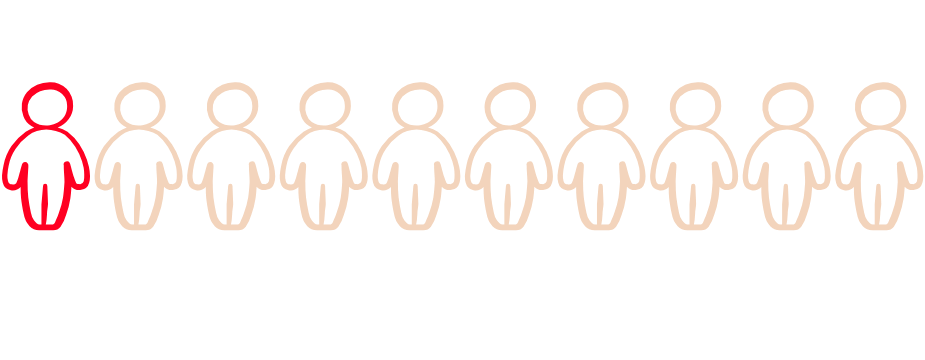
1 in 10 adults in the UK have been affected by misinformation.
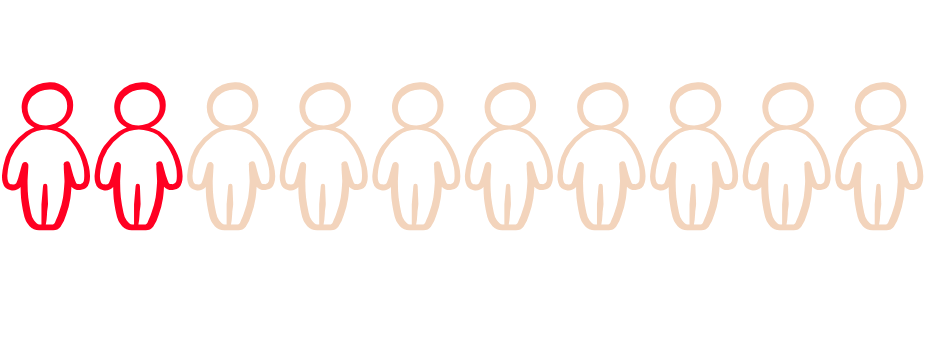
This increases to 2 in 10 for ethnic minorities1.
Think before you share
- Why am I sharing this?
- How do I know it is true?
- Where did it come from?
- Is it trying to sell me something?
- How does this make me feel?

8 in 10 ‘cancer cures’ on TikTok are fake2.
Can I trust AI search summaries?
This guide is designed to help you understand AI overviews. Scroll down for translated guides and audio.
What are AI overviews?
AI overviews are short answers to your internet search questions created by AI. They are used by Google and other search engines. They appear at the top of your screen before the list of websites. Summaries can be useful but they are still being developed and tested. This means they can get things wrong.
Problems include:
- Giving answers which may be wrong or misleading
- Sharing irrelevant content from other countries
- Reduced signposting to further support
- Sharing threads like Reddit alongside evidence-based content.
When AI gets it wrong
We searched for “vaginal cancer symptoms and tests”. The Google AI summary listed a PAP test as a test for vaginal cancer. It is not a test for vaginal cancer.
What can I do to get trusted results?
- Go direct to NHS or PIF TICK certified sources
- Scroll down to the full search results
- Visit the source website to check its credibility
- Check what you have found with your healthcare team
- For gynae health information, if you have questions and concerns, you can always speak to Ask Eve to get free and confidential information and support from our trusted nurses.
Top Tip
Add “-AI” to the start of searches. This will remove the overview. You can also add “UK” to your search to get local results.
AI mode
Google now has an AI mode for searches. You should use the standard search when looking for health information.
AI and health information
Artificial intelligence (AI) is a term to describe computers that learn and carry out “human” tasks. AI has some good uses in health information but public AI tools come with risks.
1) How can AI be used in health information?
Here are some ways AI is used in health information:
- Translating websites or apps into other languages
- Powering chatbots on websites
- Studying research data
Good health information is open about using AI. For example it will say: “This website uses AI translation.”
2) What is generative AI (GAI)?
Generative AI (GAI) describes online tools or apps that give or “generate” answers to questions asked. GAI can create text, images and video. When asked a question or a “prompt”, a GAI tool will search data to give an answer. ChatGPT, Co-pilot, Gemini and BLOOM are examples of GAI.
3) Can I trust GAI to give me accurate answers?
Not at the moment. So be very careful if you use GAI to find health information.
4) What is the problem?
GAI might give answers that are out of date or share misinformation from the data it has searched. GAI can reflect racial, gender and other prejudices. If GAI cannot find useful data it can sometimes “make up” answers that sound real.
5) How can I use GAI?
Ask good questions:
- Keep questions simple
- Be specific
- Ask GAI tools to search trusted information sources.
For example, “Find information on cervical screening in England. Search the NHS and health organisations with the PIF TICK.”
Fact check the answer given
Ask GAI where it got the information for its answer. But be aware it might not give this information. If it does, check the original website or other source.
Always check health advice with a health professional. You can speak to our Ask Eve Nurses for free and confidential information and support on gynae health. Do not act on advice from GAI tools.