
Biomarkers for early detection of vulval cancer.
The most common type of vulval cancer is vulval squamous cell carcinoma, which can either develop from a Human Papillomavirus (HPV) infection or not (which is often linked with inflammatory skin conditions like lichen sclerosus). With both of these types of vulval cancer, precancerous changes or lesions can be picked up before a cancer has developed.
Dr Jackie McDermott and her team of researchers from Imperial College London are studying gene activity in samples of both HPV related and non-HPV related vulval cancer by using a new technology called spatial transcriptomics. This technology allows them to visualise and quantify gene expression. Using this information, the team hopes to create a picture of the genetic changes that occur between normal vulval skin, inflamed vulval skin, precancerous cells and cancer.
This information could help researchers find early signs of vulval cancer and help prevent it from developing.
The researchers are working closely with the Visible Vulvas public engagement project and women affected by the disease.
Discover more
Take a look at some more of our research to prevent and earlier detect vulval cancer.
Vulval cancer risk prediction
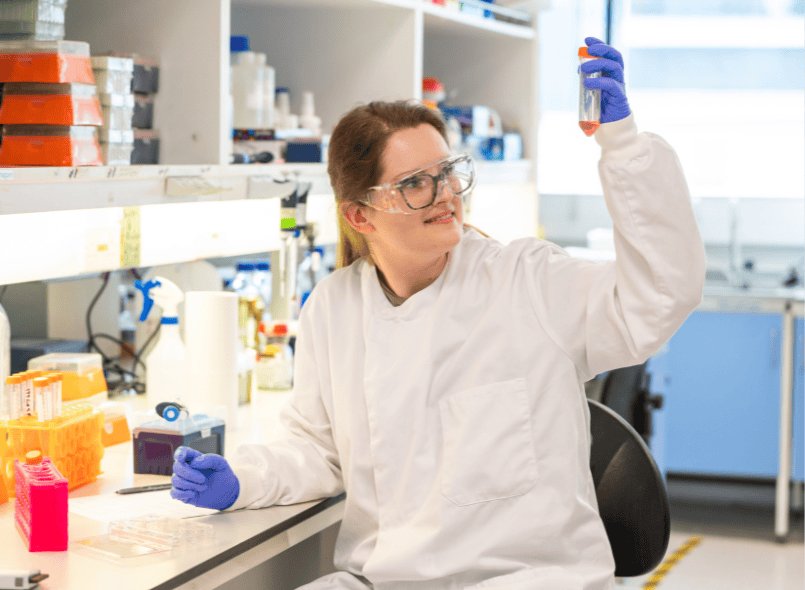
Dr Rachel Pounds and her team want to identify which early genetic alterations (sometimes called mutations) associated with lichen sclerosus may lead to the development of vulval cancer.
Faster diagnosis of vulval cancer
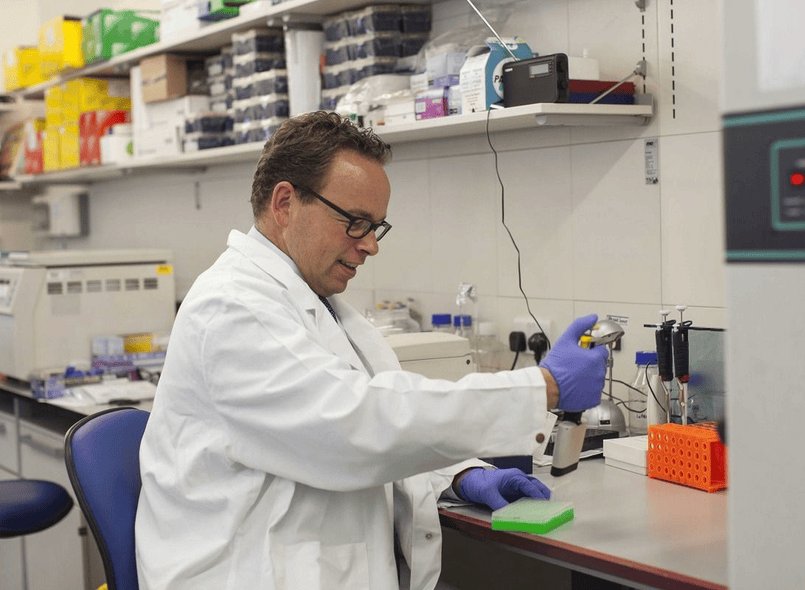
Professor Maria Kyrgiou and her team are researching a way to improve the diagnosis and treatment of vulval cancer using a new technology called Laser-assisted Rapid Evaporative Ionisation Mass Spectrometry (Laser-REIMS).