
Dr Rachel Pounds and her team want to identify which early genetic alterations (sometimes called mutations) associated with lichen sclerosus may lead to the development of vulval cancer.
Vulval cancer is one of the rarer gynaecological cancers, affecting around 1,350 women and people with gynae organs each year in the UK.
There are some noncancerous conditions of the vulva which increase the risk of cancer developing, one of them being lichen sclerosus. Lichen sclerosus is a condition where the skin is inflamed, it can happen anywhere but is most common on the vulva and around the anus. It only slightly increases the risk of cancer developing (less than 5%) and most people with lichen sclerosus won’t develop cancer. But the majority of women with a vulval cancer not linked to HPV do have lichen sclerosus, and so far we don’t have the research to know why some people go on to develop cancer and some do not.
Rachel’s research will look into ways to predict which women with lichen sclerosus are likely to have vulval cancer develop, so that more can be done to monitor them, manage their lichen sclerosus and reduce their cancer risk.
Understanding their individual risk of cancer progression will not only help women to manage the anxiety associated with living with lichen sclerosus, but will enable women and their doctors to monitor for and detect early signs of vulval cancer.
Finding early genetic alterations will also open up areas of research into potential gene therapies, which could lead to treatments that may prevent or stop vulval cancer developing in patients with lichen sclerosus.
Discover more
Take a look at some of our other research into the prevention and earlier detection of vulval cancer.
Faster diagnosis of vulval cancer
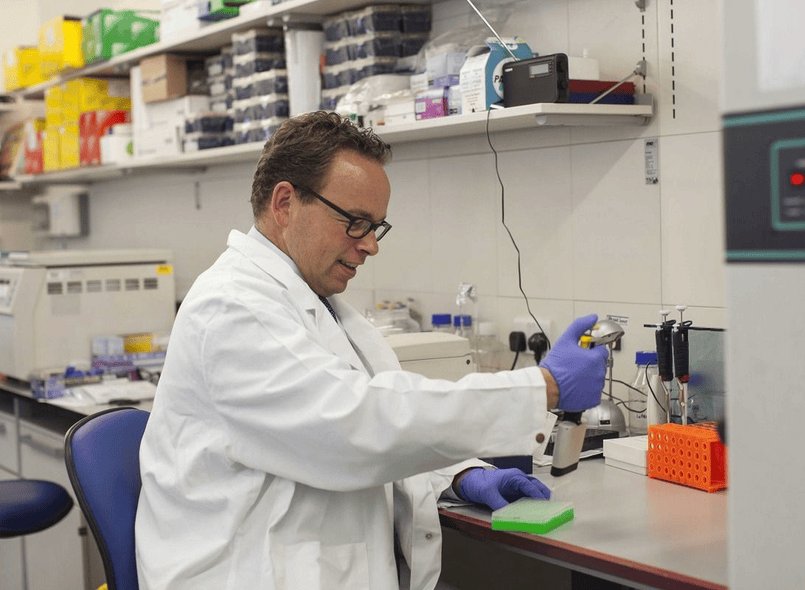
Professor Maria Kyrgiou and her team are researching a way to improve the diagnosis and treatment of vulval cancer using a new technology called Laser-assisted Rapid Evaporative Ionisation Mass Spectrometry (Laser-REIMS).
Finding biomarkers for vulval cancer
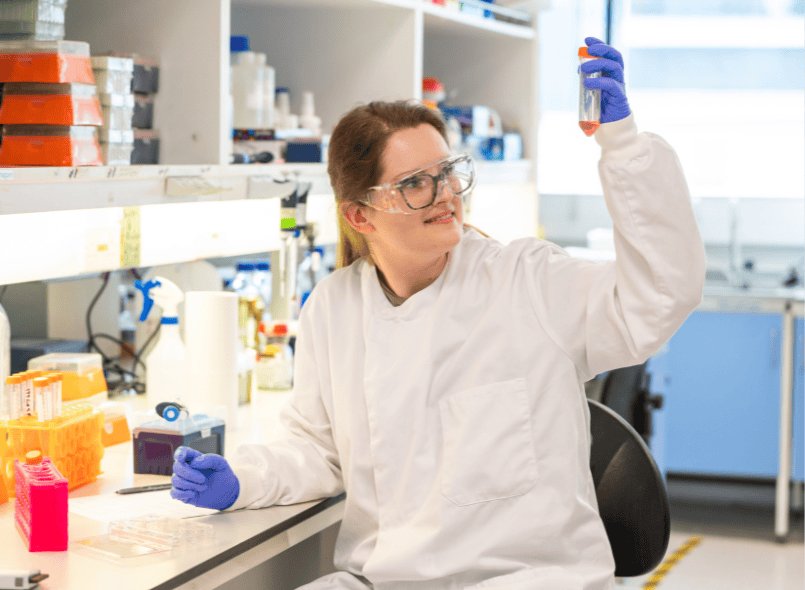
Dr Jackie McDermott and her team of researchers from Imperial College London are studying gene activity in samples of both HPV related and non-HPV related vulval cancer by using a new technology called spatial transcriptomics.