
Risk detection using biological pathways.
Computational biology is the science of analysing large collections of biological data, such as blood or cervical screening samples, or genetic information. It allows millions of data points to be gathered from just a few samples. This data is then used to find patterns that allow us to spot whether certain molecules and biological pathways cause gynaecological cancers.
This type of research can help us understand how our DNA and the things that alter our DNA relate to cancer development.
To reach this goal, the research team developed a single test that will spot who is at risk of any of these four cancers: breast, ovarian, cervical, and womb cancer.
Using computational biology has helped to develop this test, and the initial results of the research have been really promising.
Research potential
This test could personalise screening and treatment prevention for breast, ovarian, cervical, and womb cancers, with the potential to save thousands of lives every year.
Computational biology has also increased the team’s understanding of how normal, healthy cells turn into cancer cells; a process called ‘carcinogenesis’. This knowledge can open up new areas of research in the prevention of gynae cancers.
Discover more
Take a look at some more of our research.
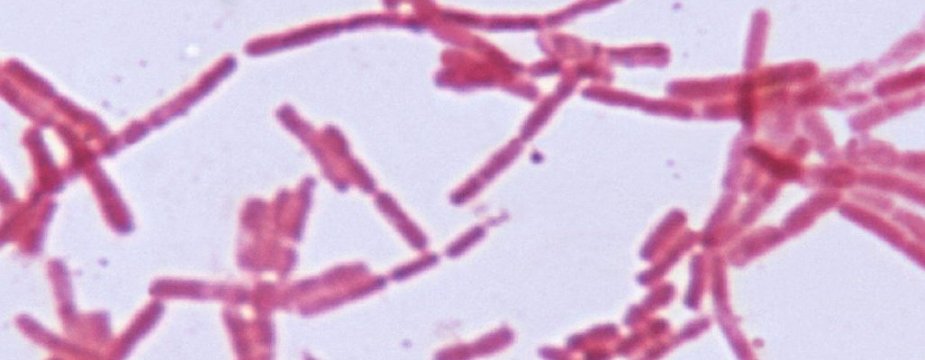
FORECEE: Vaginal microbiome as a risk indicator for ovarian cancer
Professor Martin Widschwendter’s team found that changes in the number of ‘good’ bacteria can be used to build a clearer picture of a woman’s risk of developing ovarian cancer.
FORECEE
A screening programme to provide one test for four cancers.
New test to early diagnose womb cancer
New research published today in JCO reports a new test which can reliably detect womb cancer from a cervical sample.