
Professor Christina Fotopoulou and her team aim to create a new and accessible way to detect ovarian cancer in the early stages.
Ovarian cancer is the 6th most common cancer in women in the UK, with around 7,500 people diagnosed each year. Its symptoms are vague and often misdiagnosed as other conditions, like Irritable Bowel Syndrome (IBS). Ovarian cancers are too often diagnosed in the later stages. This can make treatment options more challenging and reduces the chance of a positive outcome.
Even with multiple large-scale research studies, there is still no screening available for ovarian cancer. Most of the current research has focused on traditional methods for cancer detection, like an ultrasound. We now know that the most common type of ovarian cancer, high grade serous, starts in the top of the fallopian tubes.
As the fallopian tube is very small, current tests have not been able to spot ovarian cancer in the early stages. When tumours are big enough to be detected in scans, it’s often too late for an early-stage diagnosis as the cells have left the tubes and been able to spread.
Professor Christina Fotopoulou, with her collaborators Professor Julian Jones (Imperial) and Dr Paul Jones (Xeparate), have developed a foam-like tool, similar to a sponge, that collects different cell types from fluids. They hope to adapt the sponge to be inserted into the fallopian tube through the vagina and then test these samples to detect any precancerous or cancerous cells. This project will test how well these sponges are able to capture the cells that can cause cancer. The team hopes that if this research is successful, it could one day lead to a screening test for ovarian cancer.
If this novel bio-functional swab is successful we may finally be able to find a screening method that can diagnose ovarian cancer at its earliest stages through a non-traumatic, day-case procedure.
-Prof Christina Fotopoulou
By supporting The Eve Appeal, you can play a vital role in driving forward research into gynae cancers.
Discover more
Find more of our research into improving cervical screening to help make the test more effective, or more comfortable to help increase uptake and help prevent more cervical cancers.
Early detection of ovarian cancer
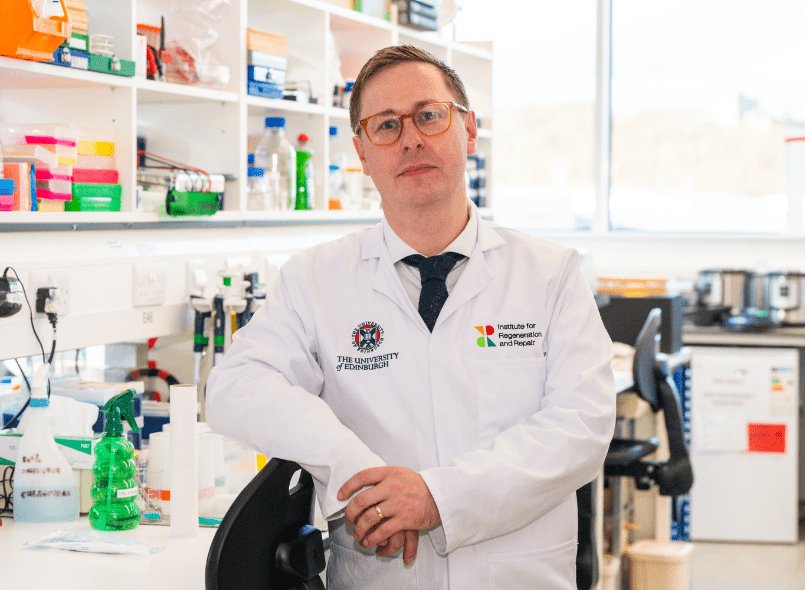
Dr Neil Ryan, from the University of Edinburgh, is our second fellow. This fellowship aims to create a new blood test to detect ovarian cancer at its earliest stages when it is most treatable.
Early detection of ovarian cancer in vaginal fluid
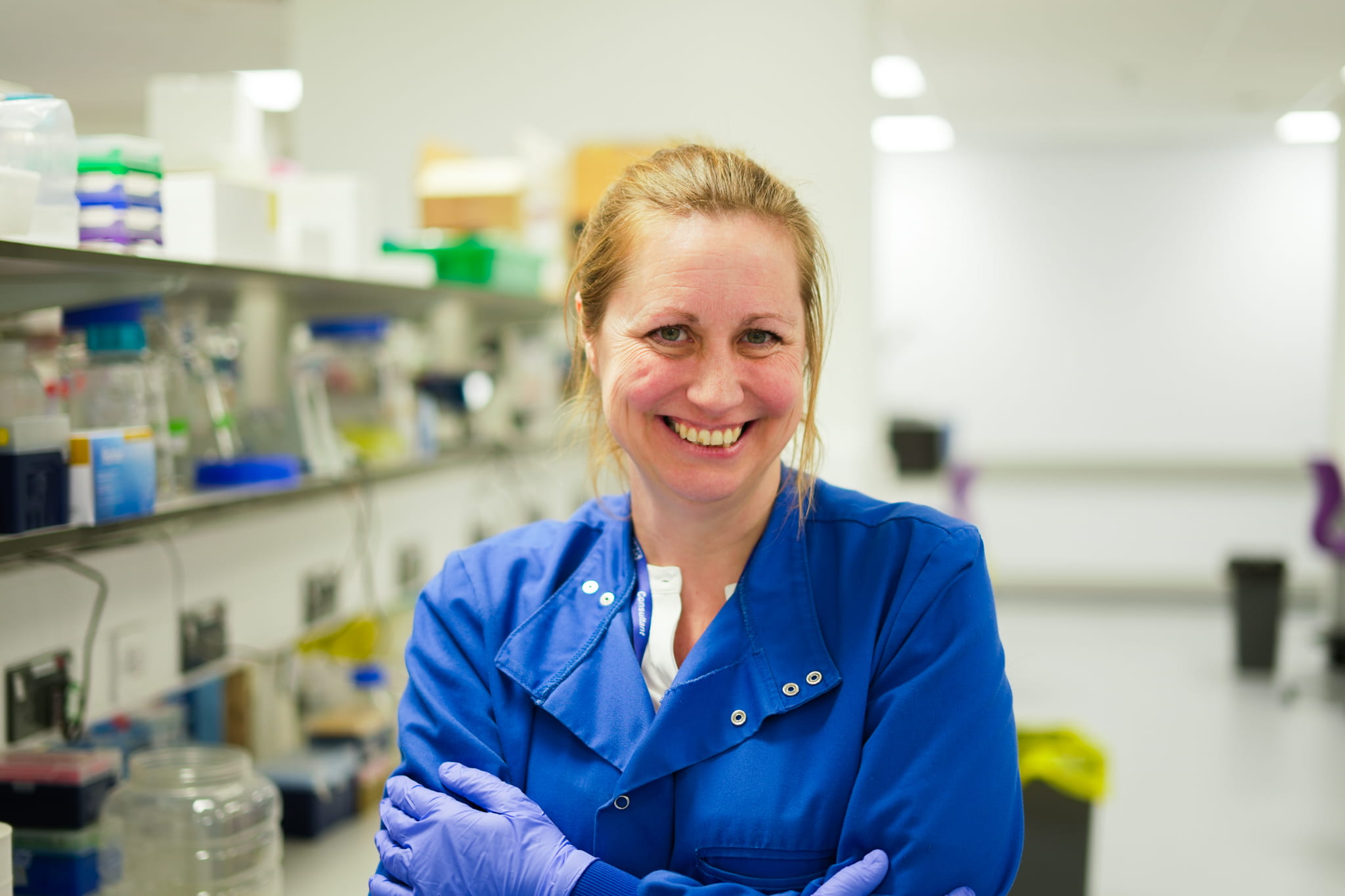
Dr Jemma Longley and her team at the University of Southampton are testing whether early signs of ovarian cancer can be picked up in vaginal fluid, as part of the VIOLET study.

Genetic patterns in ovarian cancer development
Mr Hasan Mirza’s study aims to find genetic patterns in pre-cancerous changes that could help identify which changes are most likely to develop into a common form of ovarian cancer.