
Epithelial ovarian cancers start in the ‘epithelium’, which is the outer layer (or skin) of the ovaries.
Around 13% of all epithelial ovarian cancers are sub-type called clear cell carcinomas.
Women with a clear cell carcinoma are often slightly younger than the average age of women with the more common diagnosis of serous ovarian cancer. The average age at diagnosis is 55, compared to 64.
What are the risk factors?
Endometriosis has been associated with 33%-37% of clear cell ovarian cancers.
Unlike some other ovarian cancers, there is no link with family history.
How is clear cell cancer treated?
Clear cell ovarian cancer is treated with a combination of surgery and chemotherapy. in a similar way to other ovarian cancers.
The order of the surgery and chemotherapy is decided on a case-by-case basis. Clear cell cancers tend to respond less well to chemotherapy than other ovarian cancers.
What about genetics and clear cell cancer?
85% of clear cell cancers aren’t linked to any genetic alteration.
Clear cell cancers have been linked to an alteration of the ARID1A gene. Research into using genetic knowledge to treat this and other cancers continues.
More information and advice
We have lots more information and advice on ovarian cancer. You can also contact our Ask Eve nurses for free to chat about any worries or questions.



Real Stories
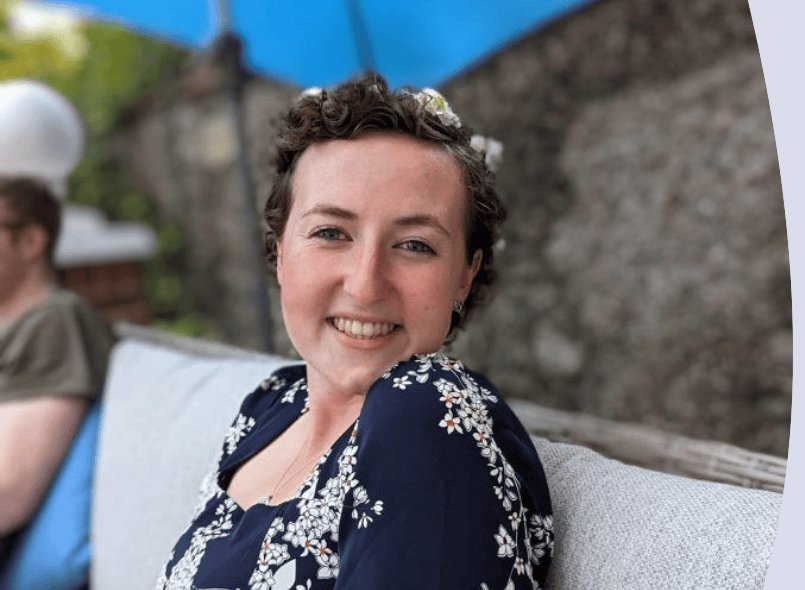
‘I thought that ovarian cancer only occurred in older women’
Jess shares her story of being diagnosed with a rare form of ovarian cancer

‘I always say, if it don’t feel right, get it checked out.’
Shalisha writes about her experience of ovarian cancer.

‘Grieving the loss of an ovary’
Izy shares her story of her diagnosis and journey with a borderline ovarian tumour.