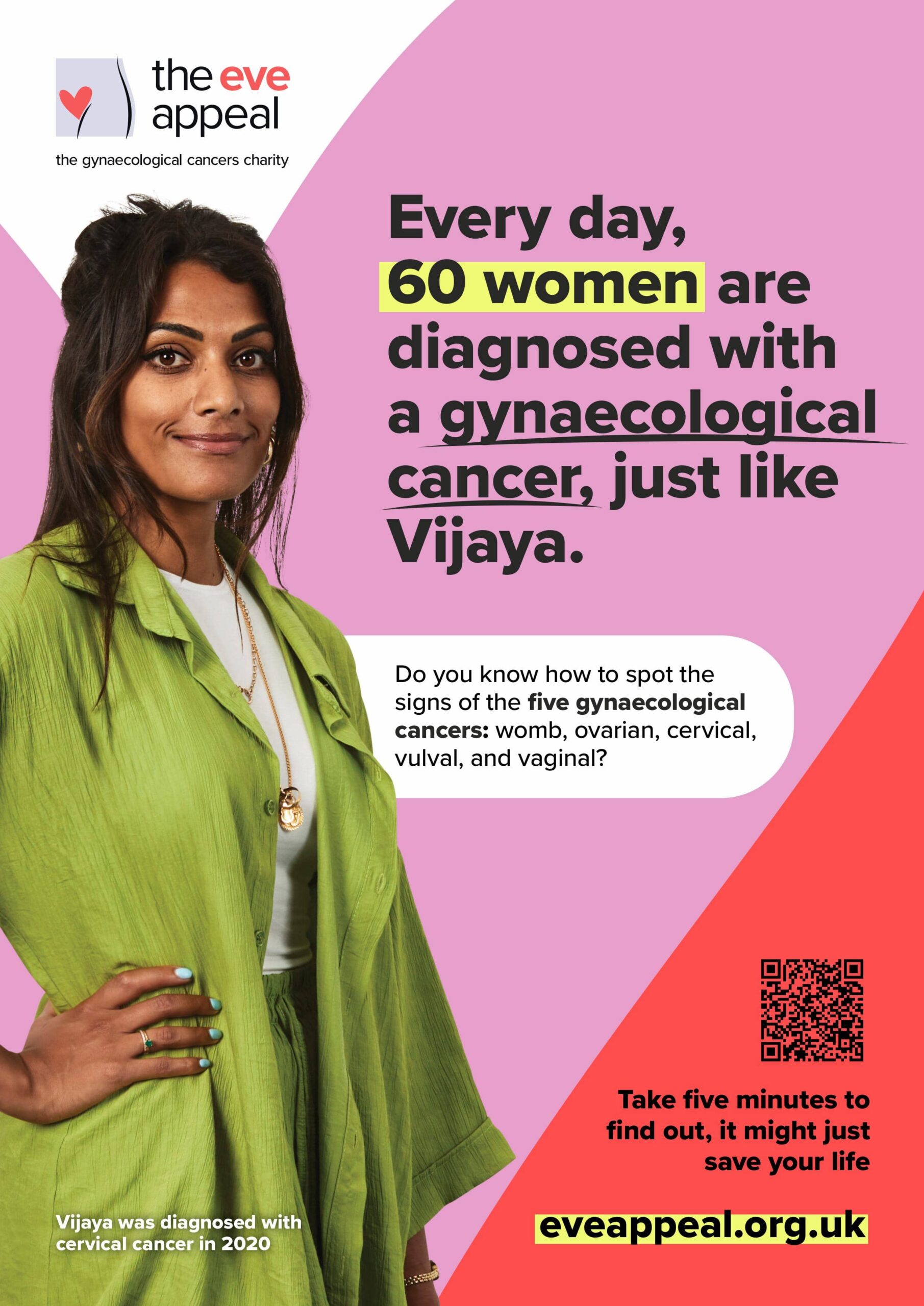
The five gynaecological cancers affect 22,050 women and people with gynae organs a year in the UK, that is 60 people each and every day. Sadly, 21 of them will die too soon.
We know that getting diagnosed early gives you the best possible chance of successful treatment, and to spot the signs of cancer early you need to know your body, know what to look for, and feel empowered to speak up and get help quickly.
Statistics
Our surveys have found a lack of knowledge around gynae health and the five gynae cancers. We are working hard to change that.
Only
1 in 3
women
can name a single gynaecological cancer
Only
2 in 100
people
can name all five gynaecological cancers
Only
1 in 3
people
have heard of HPV
Only
7 in 100
women
felt they had a good understanding of gynae symptoms before experiencing them
We want to make sure no one is diagnosed late because they didn’t know enough about their body or because the stigma society places on gynae health stopped them seeking help.
Find out about our gynae health education programmes:

In school
Our Know Your Body programme has free to access resources to bring cancer-prevention into school’s health education (RSHE).

At work
We have a range of sessions, from a Let’s Talk Gynae intro session, to menopause, cervical screening and more!
In the community
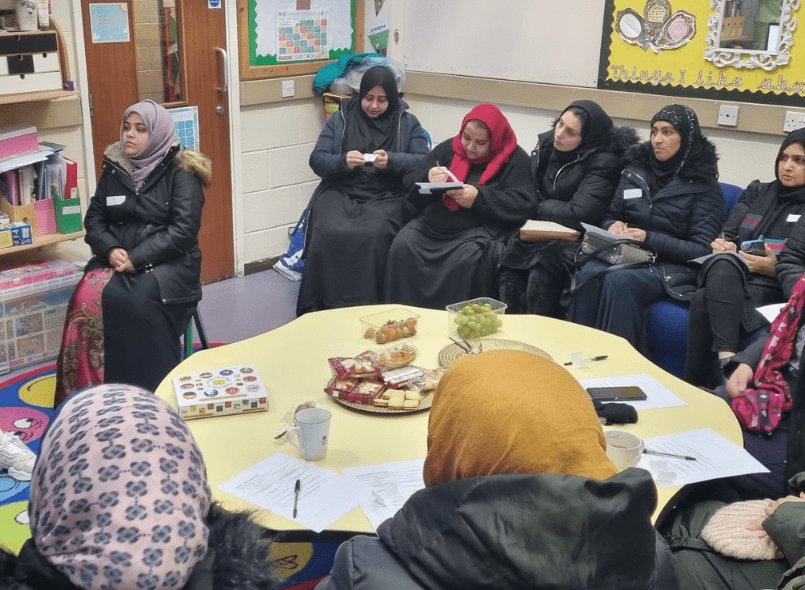
We work with local communities across the UK to raise awareness and empower women to get symptoms checked out.
Leaflets and posters
To help educate people about these too little-known cancers, we have a range of leaflets and posters.
Our awareness campaigns:
Cervical Cancer Prevention Week
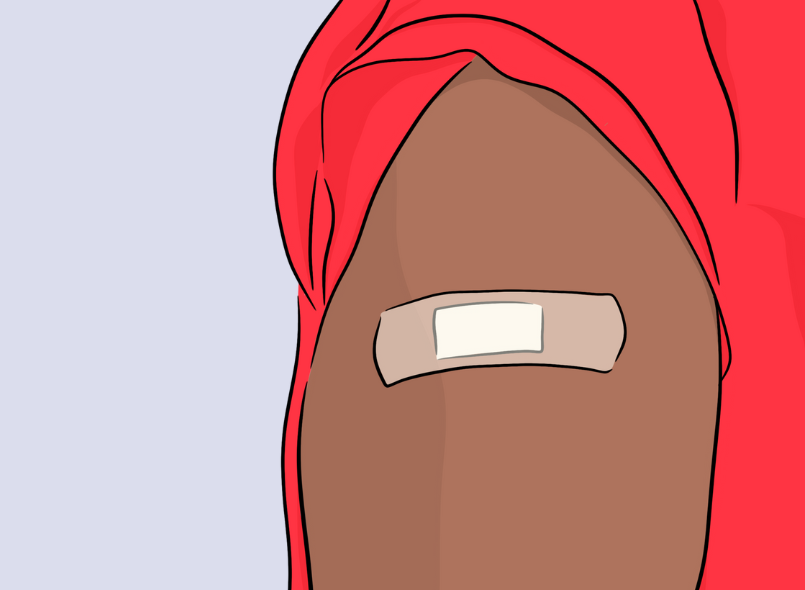
This Cervical Cancer Prevention Week (19-25 January), follow us and find out how you can reduce your risk of cervical cancer.
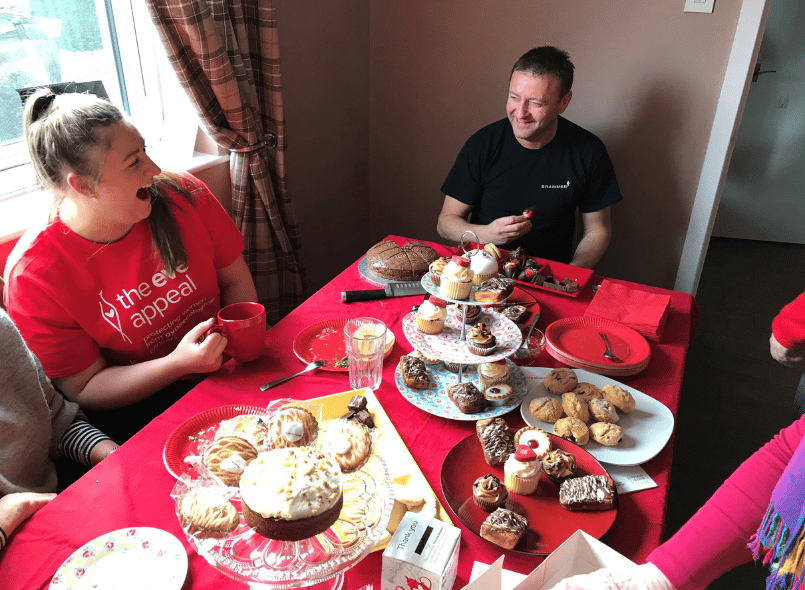
Ovarian Cancer Awareness Month
Help raise awareness of ovarian cancer this March!

Get Lippy
Join us and Get Lippy and loud about gynae cancers all through May.
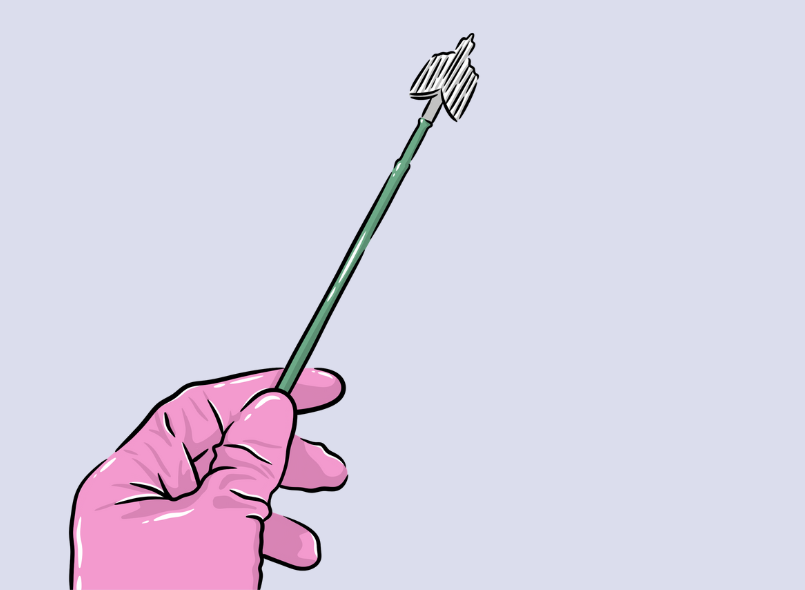
Cervical Screening Awareness Week
Next Cervical Screening Awareness Week (15-21 June), we will be sharing information on cervical screening and tips to make the appointment easier.

Gynae Cancer Awareness Month
Every September for Gynae Cancer Awareness Month we raise awareness of the five gynae cancers and raise money for their prevention and earlier detection. Will you join us?
Tips to help you raise awareness:
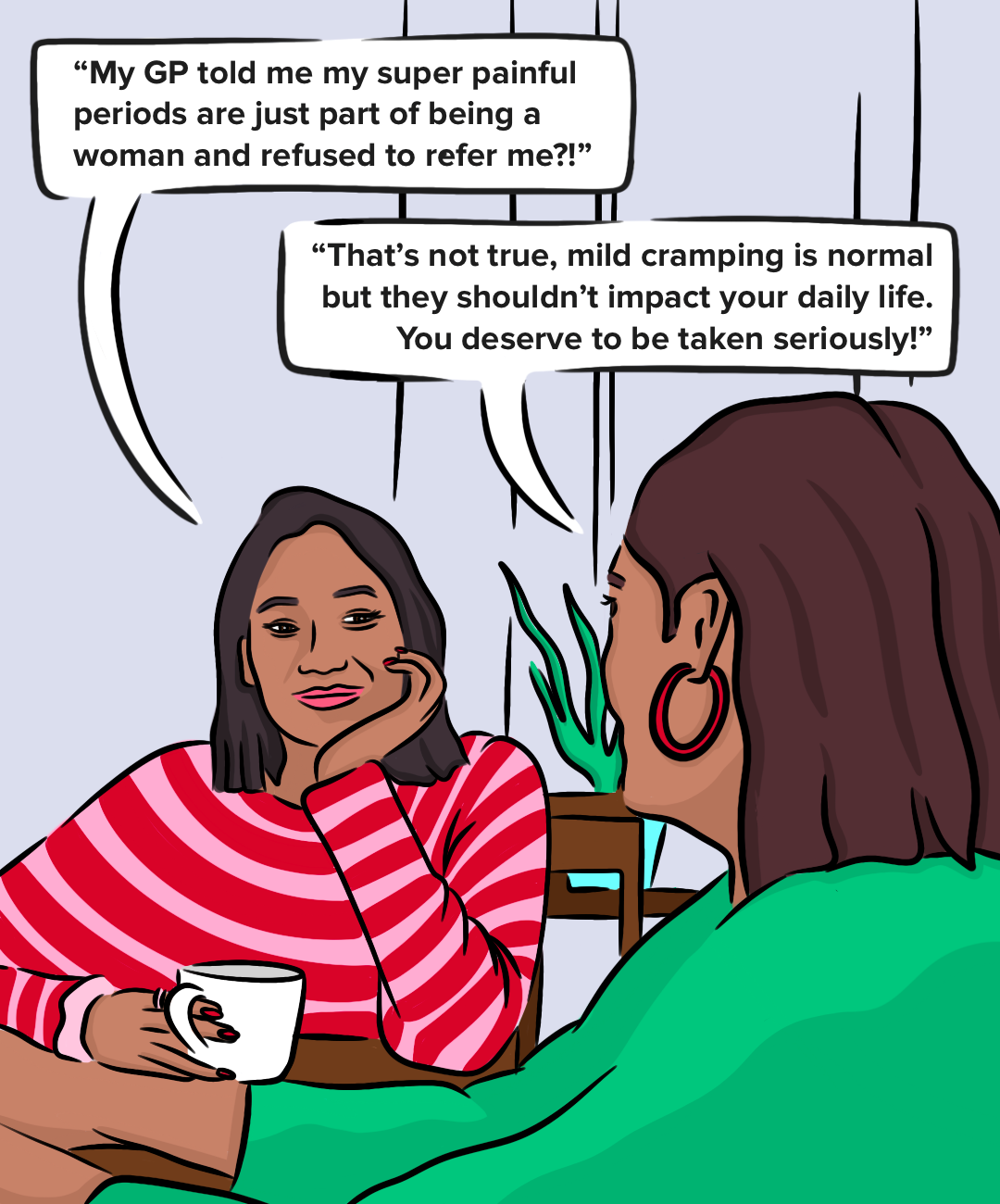
Conversation starters
We have created a list of conversation starters to help you open up conversations with your friends, family and colleagues about gynae health.
Tips for talking to your child about their body
Parents and carers are an important source of learning about gynaecological health and body knowledge.
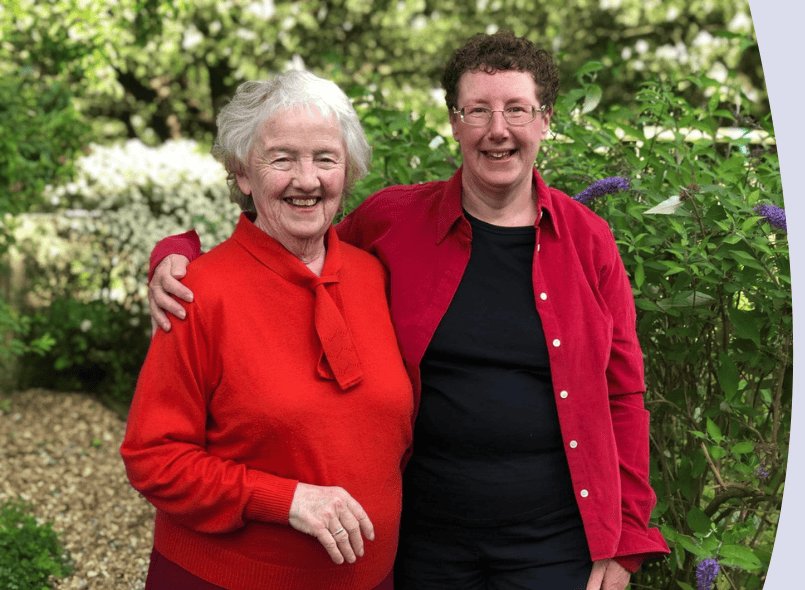
Tips for talking to older women about their body
We’ve put together some tips on how to approach conversations on gynae health with your mum, granny, aunt, friends and colleagues.
Tips and training for healthcare professionals:
Talking to your patients about HPV
Healthcare professionals are often asked questions about HPV – following a positive result, during discussions about screening, or when patients have general concerns.
Supporting patients through cervical screening
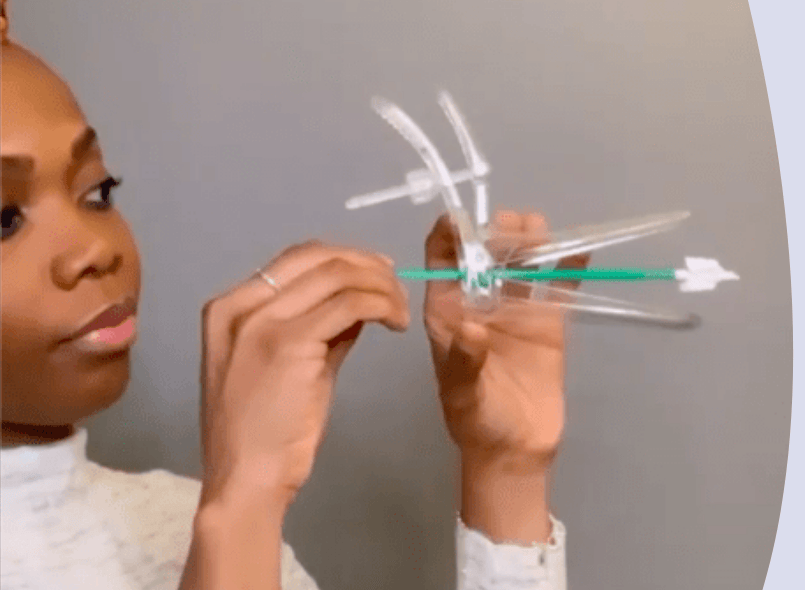
This information is to help primary care professionals support their patients through cervical screening.
Tips for supporting patients with the biggest barriers
We’ve put together some tips for healthcare professionals to help you support your patients who have barriers that might make gynae health appointments particularly difficult.
Tips for screening survivor’s of sexual trauma
This guide outlines some simple actions healthcare professionals can take to make cervical screening appointments easier for patients and service-users who are survivors of rape or sexual abuse.

Tips for screening trans and non-binary patients
We know that as a healthcare professional you want to do best by your patients, so we have created tips for screening transgender, non-binary and intersex patients.

Improving cervical screening uptake
Here are some practical strategies to help you build on your existing knowledge of your community.
Talking to your patients about colposcopy
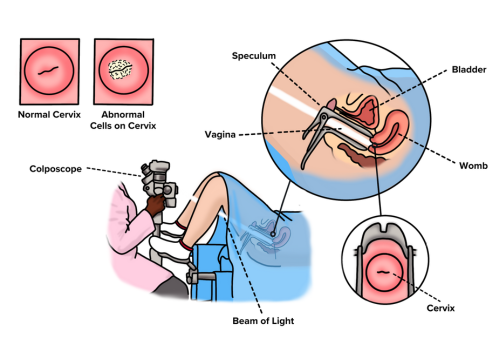
Information for primary care professionals supporting patients through a colposcopy referral.
Discover more
Read about some of our recent educational projects and awareness campaigns.

Widespread lack of understanding of inherited cancer risks
In Gynae Cancer Awareness Month 2025 we raised awareness of risk factors in gynae cancer so you can understand your risk.
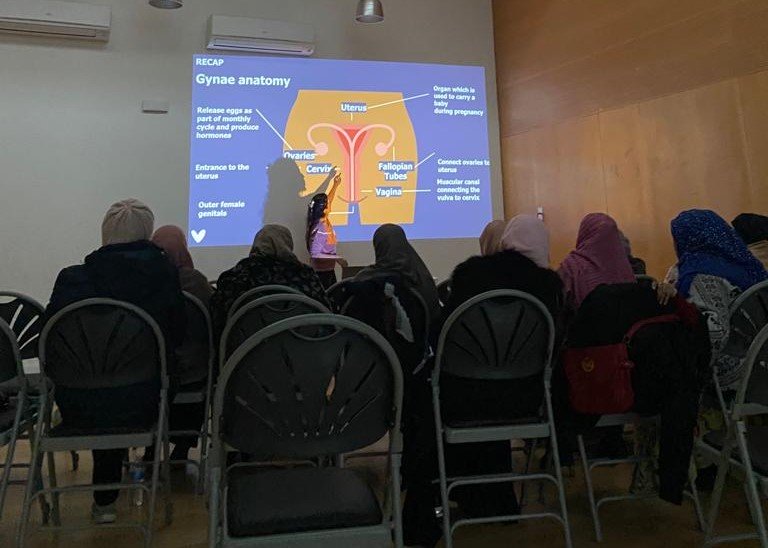
How outreach is making a difference
“This session has given me more confidence, and enough information to be more open with my GP”.
New RSHE guidance has been announced, but what does it mean for gynae health?
There has been new guidance for Relationships, Sex and Health Education (RSHE) launched today. We talk through some of the guidance which will affect gynae health and gynae cancers.
1 in 3 women have put off getting a gynae symptom checked
All through May 2025 we joined forces with some of the UK’s leading health and beauty brands to Get Lippy about gynaecological cancers, including lead partners Centrum and Sure and founding partners Tesco, CEW UK and Harvey Nichols.
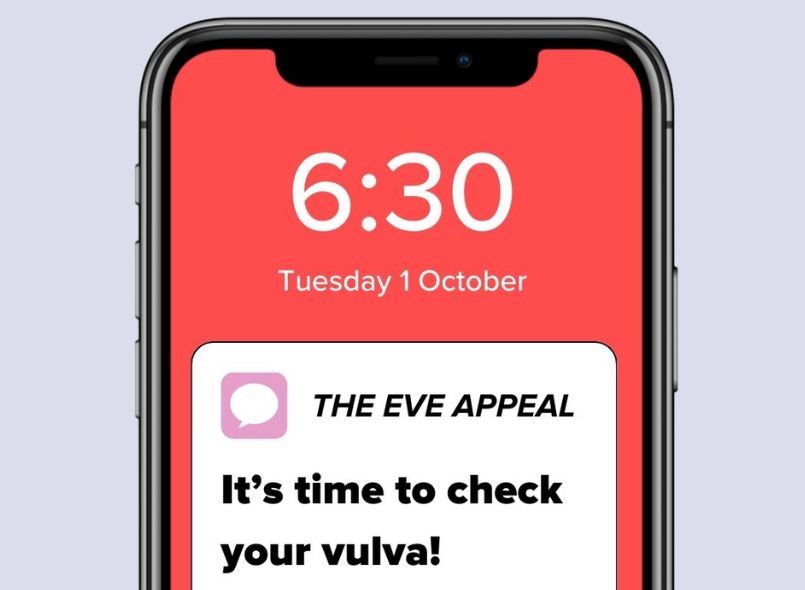
Why vulval cancer awareness matters: the importance of checking regularly
In Gynae Cancer Awareness Month 2024 we launched our self-check text reminder service and tips on how to check your vulva for symptoms of vulval cancer.

Breaking down barriers in health education
Asmita blogs about how we can break down the barriers to health education for minoritised groups for Sexual Health Week.
Gynae Health Education Programme ‘Know Your Body’ Launches!
We are delighted to launch our free, interactive, health-education lesson plans for young people aged 7-13, covering the topics anatomy, menstrual health, HPV and cancer and FMG (in partnership with National FGM Centre).
Lack of awareness around the HPV vaccination programme
For HPV Awareness Day, we wanted to highlight the worrying lack of awareness around the HPV vaccination programme.