
In the UK nearly 7,750 women and people with ovaries are diagnosed with ovarian cancer every year. It is the sixth most common cancer in women. Ovarian cancer research is underfunded and its symptoms little-known about. It is often diagnosed during its later stages, and we are here to raise awareness of its signs and symptoms to help change that.
What is ovarian cancer?
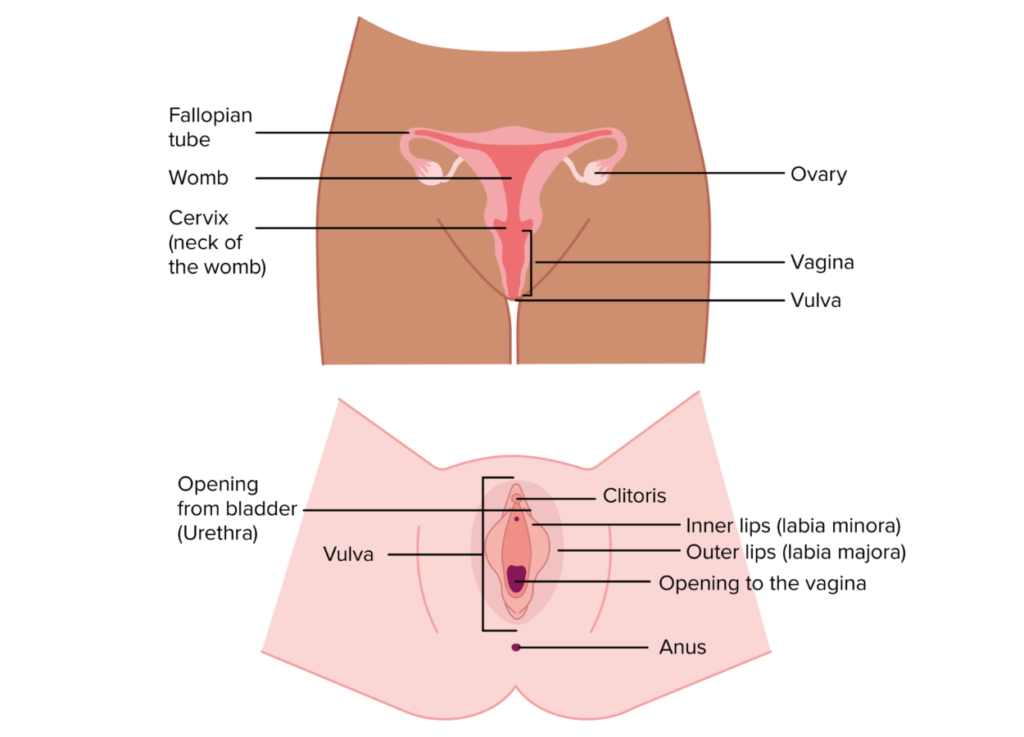
Cancer of the ovary is most common in post-menopausal women, although it can affect anyone with ovaries and fallopian tubes at any age.
There are many types of ovarian cancer, with epithelial ovarian cancer being by far the most common form. Other types of ovarian cancer are germ cell, clear cell, stromal cell, mucinous and smell cell ovarian cancer.
Ovarian cancer symptoms
Some of the symptoms of ovarian cancer are often the same as for other less serious conditions, such as irritable bowel syndrome (IBS) or pre-menstrual syndrome (PMS). This means it can be difficult to recognise the symptoms in the early stages.
The main symptoms of ovarian cancer are:
- Unexpected increased abdominal size and persistent bloating (not bloating that comes and goes)
- Feeling full quickly, loss of appetite or feeling sick
- Pelvic and/or abdominal pain
- Needing to wee (urinate) more often
- Changes in bowel habits.
Less common symptoms are: back pain, losing weight unexpectedly, feeling tired, and vaginal bleeding that is different or new.
If you have any of these symptoms, it is important you see your GP. It is more likely to be caused by something less serious than cancer, but it is always worth getting them checked. Just in case. The earlier ovarian cancer is caught, the more treatment options there are, and the best possible chance you have of successful treatment.
More information and advice
We have lots more information on ovarian cancer. You can also contact our Ask Eve nurses for free to chat about any worries or questions.