
Results published from the world’s biggest ovarian cancer screening trial, which was led by Professor Ian Jacobs and Professor Usha Menon at the University College London (UCL) and funded by The Eve Appeal, Cancer Research UK, Medical Research Council, and the Department of Health has suggested that annual blood test may help reduce the number of women dying from ovarian cancer by around 20%.
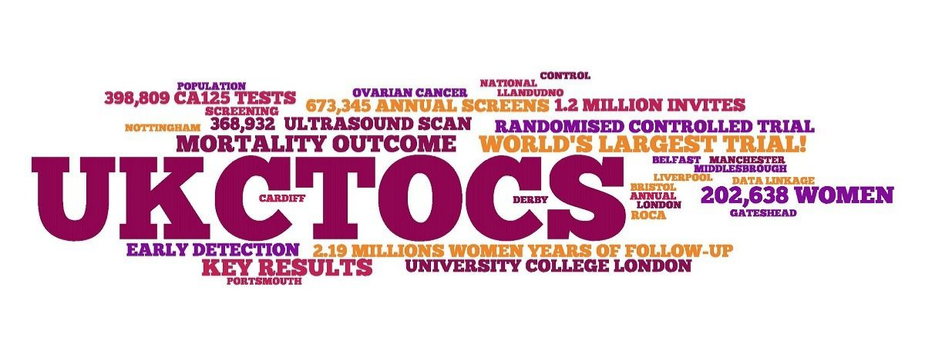
Ovarian cancer was diagnosed in 1,282 women during the 14-year study of more than 200,000 post-menopausal women aged 50 to 74. 649 of them had died of their ovarian cancer by the trial end in December 2014.
The early results suggested that approximately 15 ovarian cancer deaths could be prevented for every 10,000 women who attend a screening programme that involves annual blood tests for between seven to 11 years.
The trial also confirmed previous findings that on average, for every three women who had surgery as a result of an abnormal screen, one woman had developed ovarian cancer while two women did not.
I am delighted that the UKCTOCS results suggest that early detection by screening may save lives. Longer follow up is needed but this brings hope against a disease for which the outlook for women is poor and has not improved much during the last three decades. – Professor Ian Jacobs
UKCTOCS has been an immense research effort spanning 14 years, over 200,000 women and 700,000 annual screens. Finally we have data, which suggests that screening may prevent ovarian cancer deaths. This is welcome news and provides fresh impetus for renewed efforts in this area. – Professor Usha Menon
These results don’t necessarily signal the introduction of a national screening programme, but they are an exciting step forward for early detection of ovarian cancer. Medical research takes time to shift from the lab bench to the hospital bedside; today, the UKCTOCS results move early detection one step closer.
Discover more
Take a look at some of our other research into ovarian cancer.
Mucinous ovarian cancer
Developing our understanding of mucinous ovarian cancer.
Small cell ovarian cancer
Supporting research and improving outcomes for patients with small cell ovarian cancer.
PROMISE
PROMISE stands for Predicting Risk of Ovarian Malignancies, Improved Screening and Early detection.