
The Journal of the National Cancer Institute publishes two research papers funded by The Eve Appeal into screening for the BRCA gene alteration which could have an impact on how genetic testing in healthcare is delivered in the future.
The GCaPPS study at UCL looked into population-based screening versus the current method which is based on family history of cancer in the Ashkenazi Jewish population.
Ashkenazi Jews have a higher proportion of people carrying a BRCA gene alteration (1 in 40 compared to about 1 in 800 in the general population). BRCA gene alterations increase the risk of breast and ovarian cancers in women and people with gynae organs.
The study found that more than half of those with a BRCA alteration found through population screening (56%) would not have been picked up with family history based screening. The project also looked at the impact genetic testing had on people’s psychological health and quality of life, as well as whether it would be a cost effective change for the NHS. They found that there was no difference on an individual’s well-being between the two screening methods and that population based testing had the potential to save the NHS £3.7 million.
This study shows that broadening genetic testing beyond just family history can save both lives and money. As genetic testing becomes increasingly affordable and acceptable, researching and investing in new screening models should become a priority for the NHS – Eve CEO, Athena Lamnisos
Carolyn and her sister Mel took part in the GCaPPS study when it was brought to their attention by a friend. They lost their mother to breast cancer when she was only 44, but they didn’t meet the criteria for genetic testing. The study confirmed that Carolyn was carrying the BRCA2 gene alteration and she opted for surgical risk management.
She said the decision was a ‘no brainer’ as she has two beautiful young children and did not want to take any chances. Carolyn underwent an oophorectomy (removal of both ovaries) followed by a double mastectomy and reconstruction in January 2012. She has recovered well from surgery and insists that without GCaPPS she would have felt like a walking time bomb.
We would like thank all those who helped with the trial including Agudas Israel Housing Association Ltd, Boots UK Ltd, Jewish Care, Lane End Medical Group, Liberal Judaism, Norwood, The Movement for Reform Judaism, the academic study group on Israel and Middle East, and a number of individuals.
Discover more
Find more of our research into preventing ovarian cancer for those at a higher risk from a BRCA gene alteration.
PROTECTOR
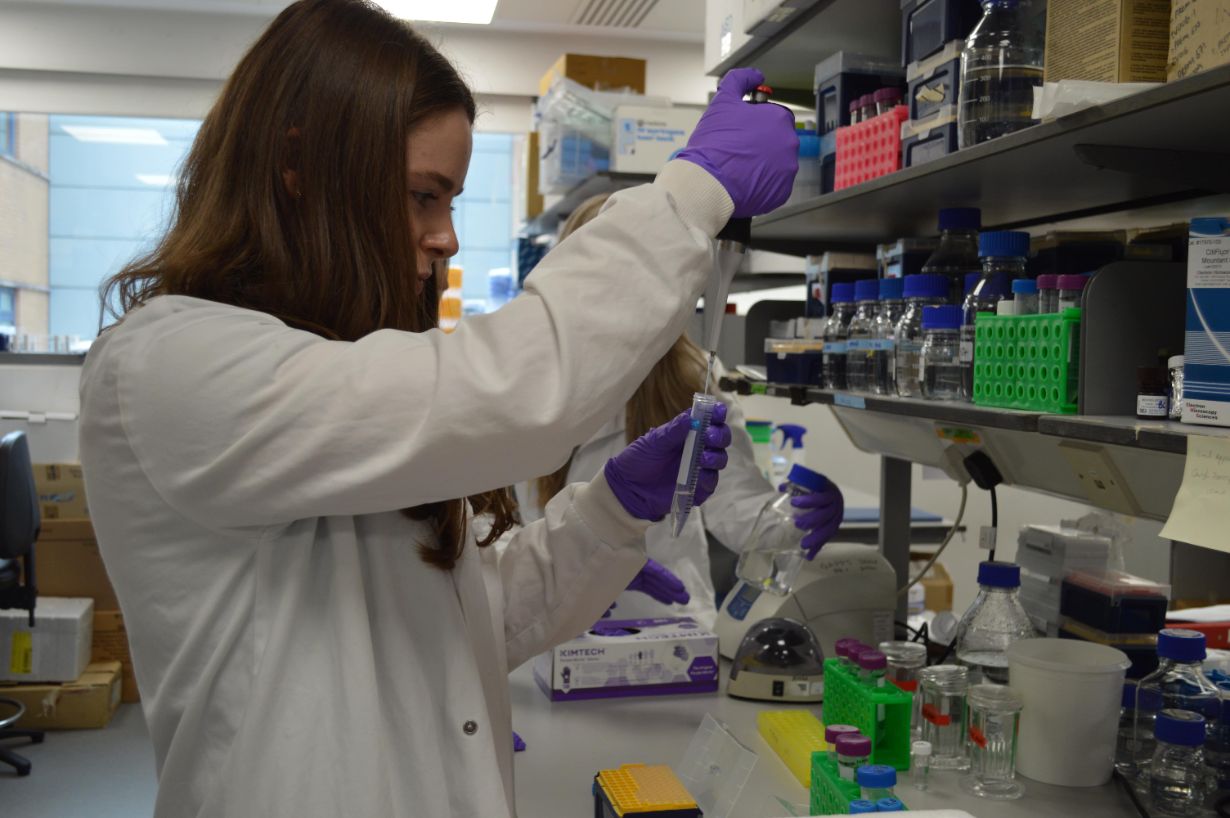
Prof Ranjit Manchanda and his team are using a new two-step approach to preventative surgery for those at a high risk of ovarian cancer.

BRCA PROTECT clinic
BRCA PROTECT research clinic was launched in 2015 with the aim to improve risk prediction and the prevention of developing ovarian and breast cancer for those living with a genetic alteration.
BRCA UNITE
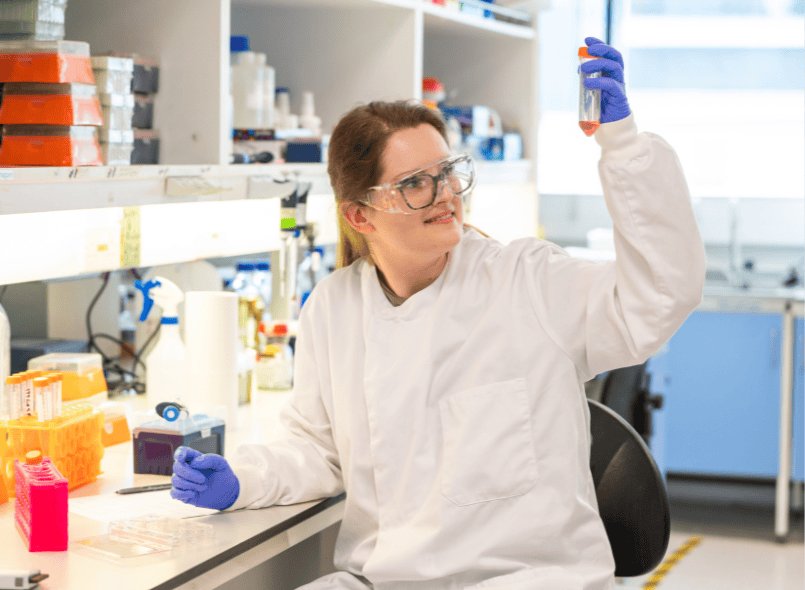
The team behind the BRCA PROTECT research clinic; clinicians, research nurses, scientists and ‘BRCA Champions’ looked at the processes that may increase or alter the risk of developing cancer in women with a BRCA alteration.